Elevator Maintenance Contracts: How to Negotiate Terms and Avoid Costly Pitfalls
Why Your Elevator Contract Deserves a Second Look
Elevator service contracts are among the most expensive recurring agreements an association signs, and they are also among the least understood. Many boards renew the same contract year after year without reading the fine print. That habit costs money. A poorly written elevator contract can leave your association paying for repairs you assumed were covered, waiting days for a technician, or locked into terms that renew automatically for another five years.
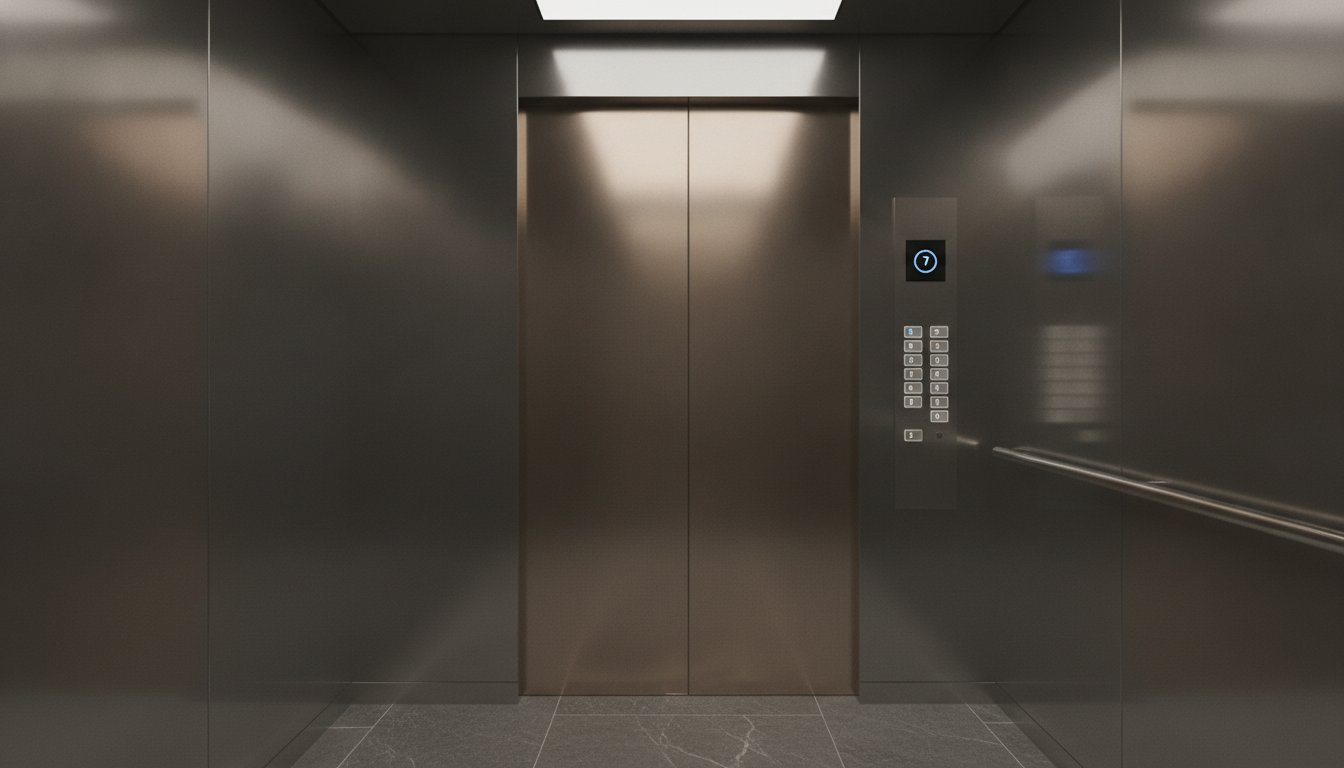
Elevators in condo and co-op buildings carry a high replacement cost. A modernization is one of the largest single items in many reserve studies, so plan with current quotes for your own equipment, not a rule of thumb. The service contract you sign directly affects how long your equipment lasts and how large those reserve expenses become. Treat the negotiation as a financial decision, not a routine renewal.
Know the Two Main Contract Types
Elevator contracts generally fall into two categories, and the difference matters.
- Full maintenance contracts cover parts, labor, and most repairs, including major components like motors, controllers, and door operators. They cost more per month but protect you from surprise invoices.
- Oil and grease (or lube and inspect) contracts cover routine maintenance only. Every repair beyond basic upkeep gets billed separately. These look cheap on paper and become expensive fast.
For most residential associations, a full maintenance contract offers better cost predictability. Ask the vendor to define in writing exactly which components fall under "full" coverage. Some contracts labeled full maintenance still exclude high-cost items like controllers or hydraulic jacks.
Terms to Negotiate Before You Sign
Response times
A vague promise of "prompt service" means nothing. Require specific response windows in writing: for example, a technician on site within 2 hours for entrapment calls and within 24 hours for non-emergency service. Attach penalties or service credits if the vendor misses those windows.
Contract length and renewal clauses
Vendors love five-year terms with automatic renewal and 90-day cancellation notice periods. That combination traps associations. Push for a three-year term at most, and negotiate a 30-day or 60-day cancellation window. Watch for evergreen clauses that renew the entire multi-year term if you miss a narrow notice window.
Price escalation
Many contracts include annual increases tied to a labor index or a fixed percentage. Cap the annual increase, and ask that any increase above the cap require your written approval.
Parts and obsolescence
Confirm whether the vendor guarantees parts availability for your specific equipment. Older elevators may use discontinued components. A vendor who cannot source parts will point you toward a costly modernization on their schedule, not yours.
Common Pitfalls That Cost Associations Money
- Overtime exclusions. Some contracts cover labor only during business hours. An after-hours entrapment then generates a separate overtime bill. Clarify what counts as covered labor.
- Callback fees. Read whether "callbacks" for the same recurring problem count against you. A well-written contract makes the vendor fix root causes, not bill you repeatedly for the same fault.
- Proprietary equipment lock-in. Certain manufacturers install controllers that only their own technicians can service. This eliminates competitive bidding when your contract expires. Ask about this before you buy new equipment.
- Skipped inspections. Verify the contract includes state-required safety tests and category inspections, and that the vendor files the paperwork with local authorities.
Practical Steps for Board Members
Get at least three bids before renewing. Send each vendor the same scope of work so you compare equal offers. Ask your property manager or a qualified elevator consultant to review the technical language. A consultant typically charges a few hundred dollars and often finds savings that far exceed the fee.
Keep records of every service call, response time, and repair. That log becomes your evidence when you negotiate the next term or challenge a vendor who underperforms. It also feeds directly into your reserve planning, since repair frequency signals how close your elevator is to needing modernization.
Finally, match your contract decisions to your reserve schedule. If your reserve study projects an elevator modernization in seven years, avoid signing a ten-year full-coverage contract at premium rates. Align the two documents so you are not paying twice for the same protection.
ReservePath helps associations track major components like elevators, monitor their expected replacement timelines, and plan funding so contract decisions line up with your long-term reserve strategy.
This article is for general informational purposes only and is not legal advice. Consult your association's legal counsel on all matters.