HOA Roof Inspection Guide: When to Schedule and What Inspectors Check
The Case of Willowbrook Commons: A Roof Inspection Wake-Up Call
The board at Willowbrook Commons thought they were ahead of the game. This 85-unit condominium community in Colorado had weathered three harsh winters without major issues. Their 15-year-old asphalt shingle roofs looked fine from the ground.
Then came the annual reserve study update. The consulting engineer recommended immediate professional roof inspections across all seven buildings. Board president Janet Martinez hesitated. "We just had our roofs cleaned last spring. They look good to me."
Three weeks later, heavy rains revealed the truth. Water damage appeared in six units across four buildings. The repair bill hit $47,000. The reserve fund took a massive hit that could have been avoided with proper inspection scheduling.
Why Professional Roof Inspections Matter More Than Visual Checks
Most board members scan their roofs from parking lots or balconies. This approach misses critical problems that develop gradually over years.
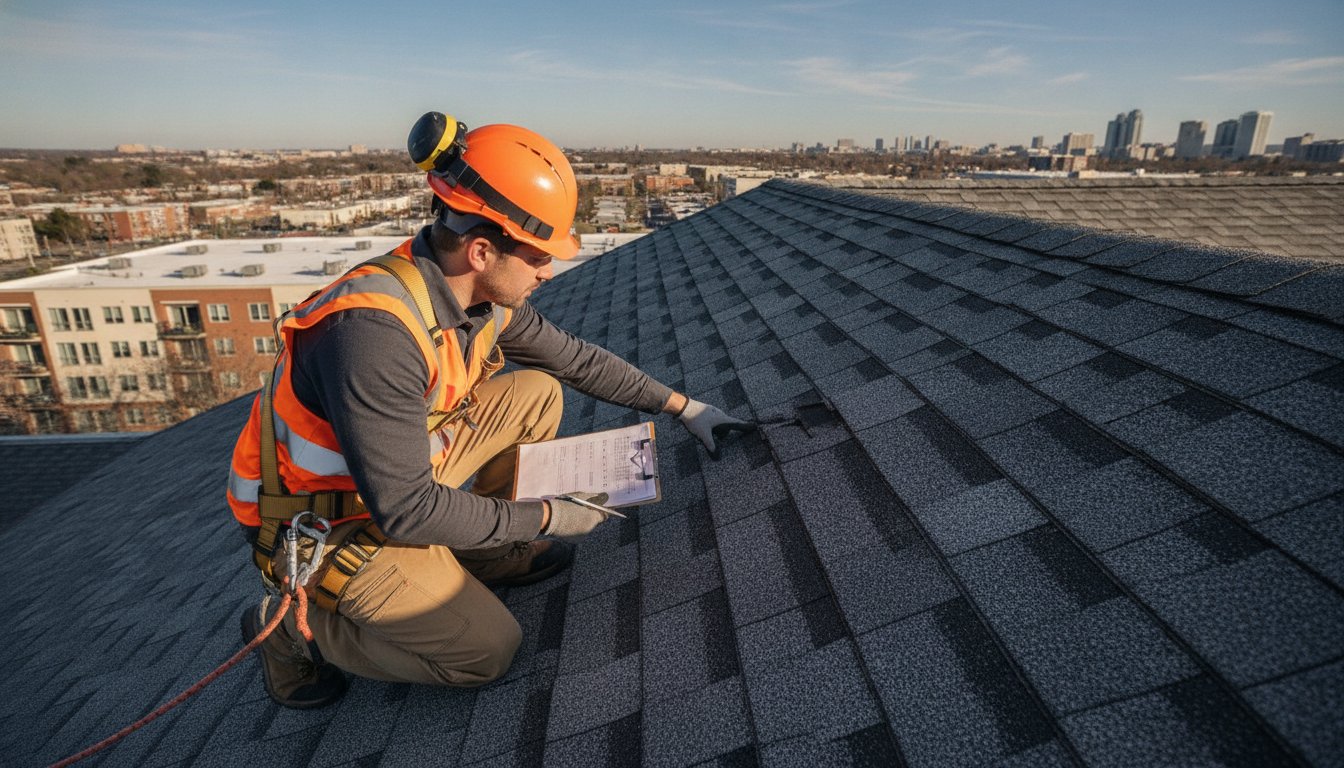
Professional inspectors climb onto roofs with proper equipment and training. They spot issues invisible from ground level: loose flashing around penetrations, granule loss patterns indicating UV damage, and subtle membrane deterioration that leads to major leaks.
The cost difference tells the story. Willowbrook Commons spent $2,800 on thorough inspections after their water damage crisis. Those same inspections performed two years earlier would have cost the same amount but prevented $47,000 in emergency repairs.
Insurance Requirements Drive Inspection Schedules
Many insurance carriers now require regular roof inspections for properties over 10 years old. Policies specify inspection intervals: typically every two to three years for standard roofing materials.
Commercial insurance adjusters review inspection reports during claim reviews. Properties without current inspection documentation face delayed claims processing or coverage disputes.
Optimal Inspection Timing: A Schedule That Actually Works
Successful associations follow predictable inspection schedules rather than waiting for problems to appear.
New Roofs (0-5 Years)
Schedule initial inspections at the two-year mark. New roof warranties often require documented inspections to maintain coverage. Early inspections catch installation defects while contractors remain liable for corrections.
Mature Roofs (6-15 Years)
Inspect every two years during this critical period. Roofing materials begin showing wear patterns that predict future problems. Regular documentation helps boards plan replacement timing and budget accordingly.
Aging Roofs (15+ Years)
Annual inspections become essential as roofs approach replacement age. Components fail more frequently, and small problems cascade into major damage quickly.
Post-Storm Inspections
Schedule inspections within 30 days after severe weather events. Hail, high winds, and ice dams cause damage that may not appear immediately but leads to leaks months later.
What Professional Inspectors Actually Examine
Understanding inspector focus areas helps boards interpret reports and make informed decisions about repairs versus replacement.
Surface Material Assessment
Inspectors document granule loss on asphalt shingles, measuring bare spots and thin areas. They photograph cracked, curled, or missing shingles and rate overall surface condition using industry-standard scales.
For flat roofs, they check membrane integrity, looking for punctures, splits, and areas where the coating has worn thin. They test adhesion strength and document any bubbling or delamination.
Flashing and Penetration Points
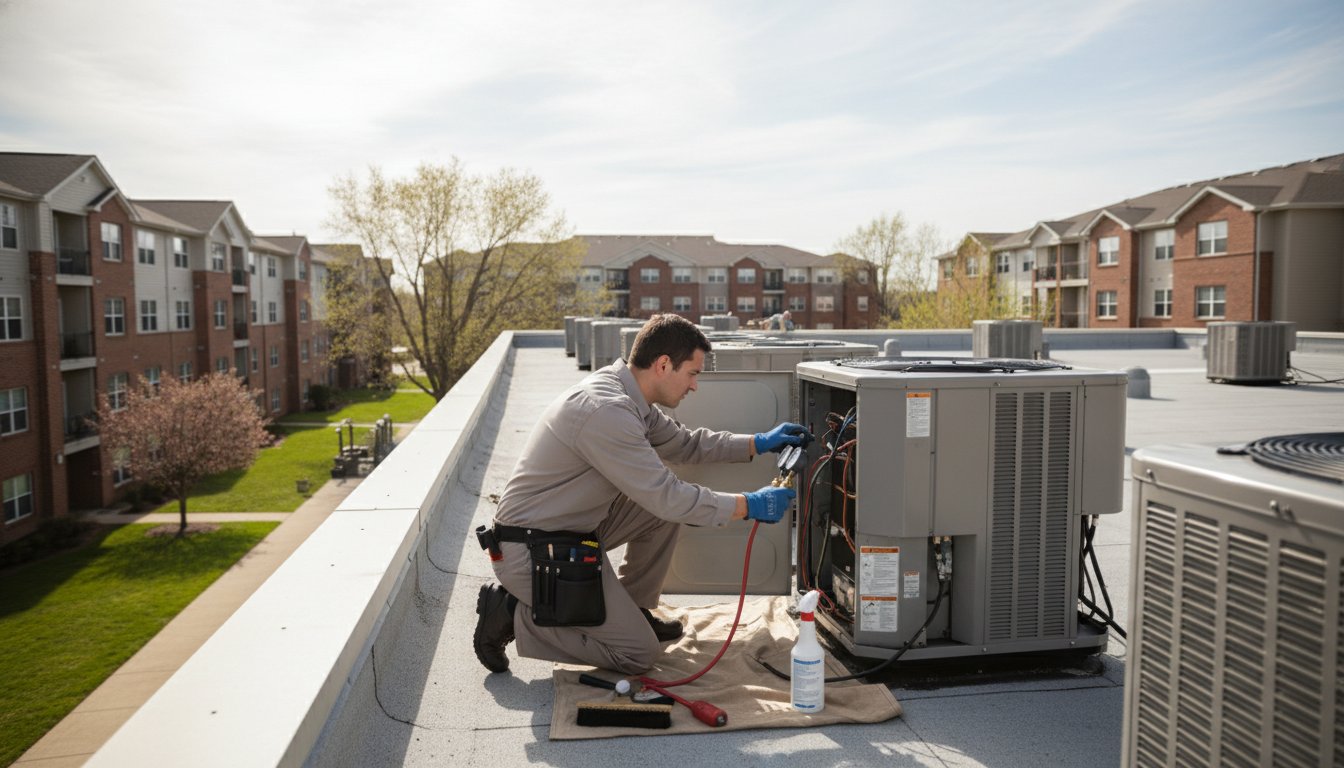
Every roof penetration represents a potential leak source. Inspectors examine flashing around chimneys, vents, HVAC equipment, and satellite dishes.
They check caulk lines for cracks or gaps and verify that metal flashing remains properly secured. Loose or corroded flashing is a common source of roof leaks.
Drainage System Functionality
Gutters, downspouts, and roof drains receive careful attention during inspections. Blocked drainage causes water backup that damages roof edges and building foundations.
Inspectors clear debris from drains and test water flow patterns. They document areas where water pools after storms, identifying potential weak spots before leaks develop.
Structural Elements
Professional inspections include basic structural assessments. Inspectors look for sagging areas, damaged decking, and signs of excessive deflection under load.
They check for proper ventilation in attic spaces and document any structural modifications that affect roof performance.
Interpreting Inspection Reports: What Numbers Mean
Professional reports rate roof components using standardized scales that help boards compare options and plan budgets.
Most inspectors use a 1-5 scale where 5 represents new condition and 1 indicates immediate replacement needs. Components rated 3 or below typically require attention within two years.
Reports include repair cost estimates for identified problems. These numbers help boards decide whether to repair or replace based on remaining useful life and total investment required.
Priority Classifications
Inspectors classify problems by urgency level:
- Immediate: Safety hazards or active leaks requiring emergency attention
- Short-term (1-2 years): Problems that will worsen quickly without intervention
- Long-term (3-5 years): Items to monitor and plan for future budgets
Lessons from Willowbrook Commons: What Changed
After their expensive wake-up call, Willowbrook Commons implemented a structured inspection program. They now schedule biennial inspections for their aging roofs and budget $3,000 annually for preventive maintenance.
Their reserve study reflects realistic replacement timelines based on actual roof conditions rather than theoretical useful life estimates. The board reviews inspection reports at quarterly meetings and plans repair work during favorable weather windows.
Most importantly, they learned that roof inspections pay for themselves through early problem detection and insurance compliance benefits.
ReservePath helps associations track component conditions and plan maintenance schedules based on actual inspection data, ensuring your reserve study reflects real-world needs.
This article is for general informational purposes only and is not legal advice. Consult your association's legal counsel on all matters.