Asphalt Seal Coating and Repair: Timing and Budgeting Through a Lot's Life
The following community is an illustration created to show how asphalt maintenance decisions play out over time. Oakridge Commons, its board members, and its numbers are composite figures used for teaching, not a report on any actual association.
Parking lot asphalt is one of the most expensive shared assets many associations own, and it is also one of the most misunderstood. Boards tend to ignore the lot until potholes appear, then pay for a full replacement they could have delayed by a decade. Seal coating and timely repairs are the difference between a 15-year pavement life and a 30-year one. This walkthrough shows how a mid-sized association can plan the work and fund it without a special assessment.
Meet Oakridge Commons
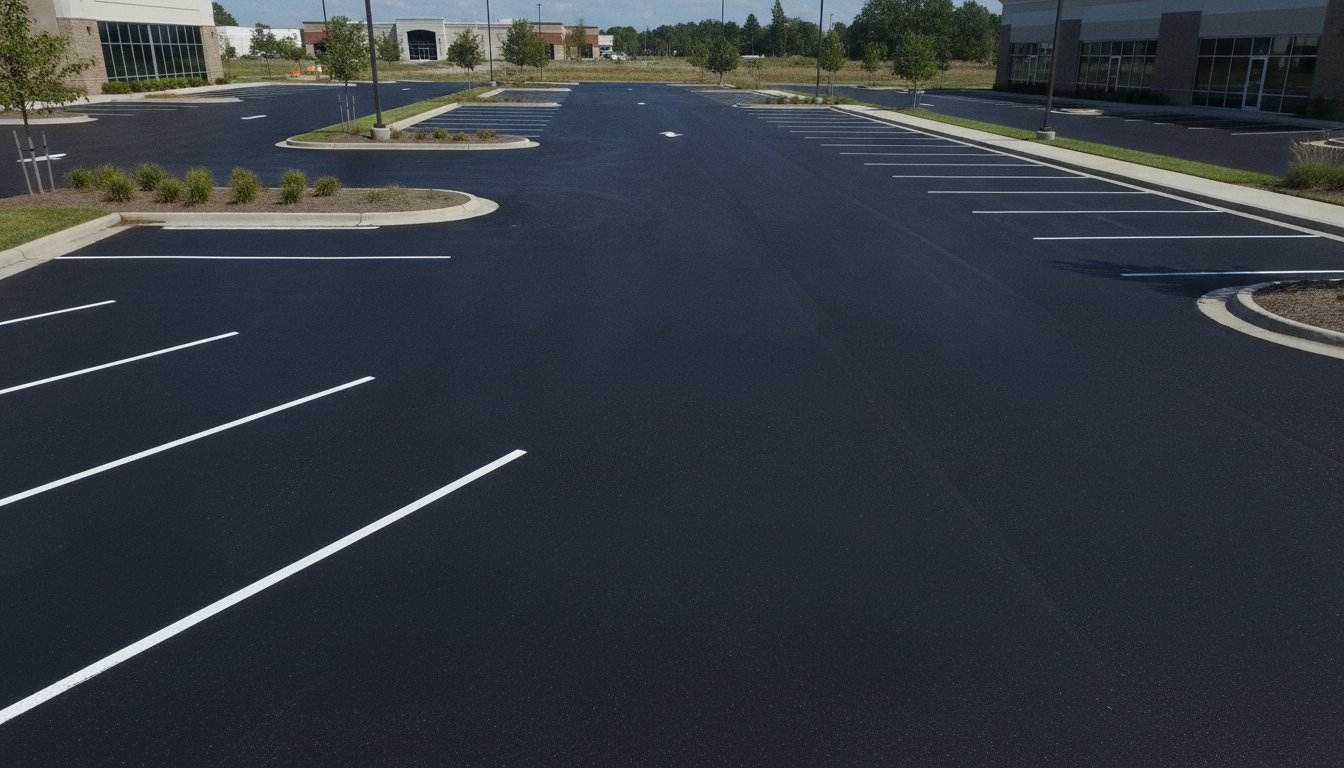
Oakridge Commons is an illustration of a 120-unit townhome association with a single asphalt parking area and connecting drive lanes. Total paved surface is roughly 95,000 square feet. The lot was installed new when the community was built, and the board is now looking at it in year 6 of its life.
The property manager pulled the original reserve study and found the lot listed as a single line item: "Asphalt - Replace" with a 25-year life and a replacement cost estimate. That single line is the first problem. Asphalt is not a replace-only component. It needs several smaller treatments along the way, and lumping everything into one replacement event hides the real maintenance schedule.
The Asphalt Maintenance Timeline
Asphalt deteriorates in predictable stages. Understanding the stages tells you what to budget and when.
Years 1 to 2: Cure and leave alone
New asphalt needs time to cure before any coating is applied. Seal coating too early traps oils in the pavement and can cause problems. Oakridge did nothing to the surface in this window, which was correct.
Years 3 to 4: First seal coat
The first seal coat protects the surface from UV damage, water intrusion, and oxidation. At Oakridge, the board skipped this. By year 6 the lot already shows light gray coloring and hairline surface cracks, both signs of oxidation that an early seal coat would have slowed.
Years 5 to 8: Crack sealing and second coat
Cracks wider than a quarter inch let water reach the base layer. Once water undermines the base, you move from cheap repairs to expensive ones. Crack sealing fills those gaps before the damage spreads. A seal coat usually follows on a three to four year cycle after the first application.
Years 10 to 15: Patching and localized repair
This is when potholes, alligator cracking, and depressions start appearing in weak spots. The fix is targeted patching, not full replacement. Cutting out and replacing failed sections costs a fraction of resurfacing the whole lot.
Years 15 to 20: Overlay or mill and overlay
If the base is still sound, an asphalt overlay adds a fresh wearing surface on top of the existing pavement. This resets much of the surface life without the cost of a full tear-out.
Years 25 to 30: Full replacement
Only when the base layer has failed across the lot does full removal and replacement make sense. Communities that seal coat and crack seal on schedule routinely push this out well past the original 25-year estimate.
What Oakridge Should Have Budgeted
The board treated the lot as one event every 25 years. A more accurate plan breaks the asphalt into separate reserve components or at least separate scheduled expenses. For an illustration, assume these rounded figures for a 95,000 square foot lot. Actual pricing varies by region, contractor, and surface condition, so treat these as teaching numbers only.
- Seal coat: a recurring cost every three to four years
- Crack sealing: a smaller recurring cost, often paired with seal coating
- Patching: periodic, scaling up as the lot ages
- Overlay: a mid-life event around year 15 to 20
- Full replacement: the long-term event, pushed out by good maintenance
When you spread these across the life of the lot, the annual reserve contribution looks very different from a single replacement line. The smaller recurring items are predictable and relatively low cost. The overlay and replacement are the large events that need the most funding lead time.
The Cost of Waiting
Here is where Oakridge pays for the missed early seal coat. Because the surface oxidized and cracks went unsealed, water reached the base in two low-lying areas. Those sections now need base repair, which is far more expensive per square foot than surface work. Had the board spent on seal coating in year 3 and crack sealing in year 5, those base failures likely would not have happened.
The general rule holds across most asphalt lots: a dollar spent on seal coating and crack sealing saves several dollars in future patching and replacement. Deferred asphalt maintenance does not stay flat. It compounds, because water damage to the base is the single most expensive failure mode.
How to Get the Timing Right
- Split the line item. Ask your reserve study provider to list seal coating, crack sealing, patching, overlay, and replacement as separate scheduled expenses rather than one replacement event.
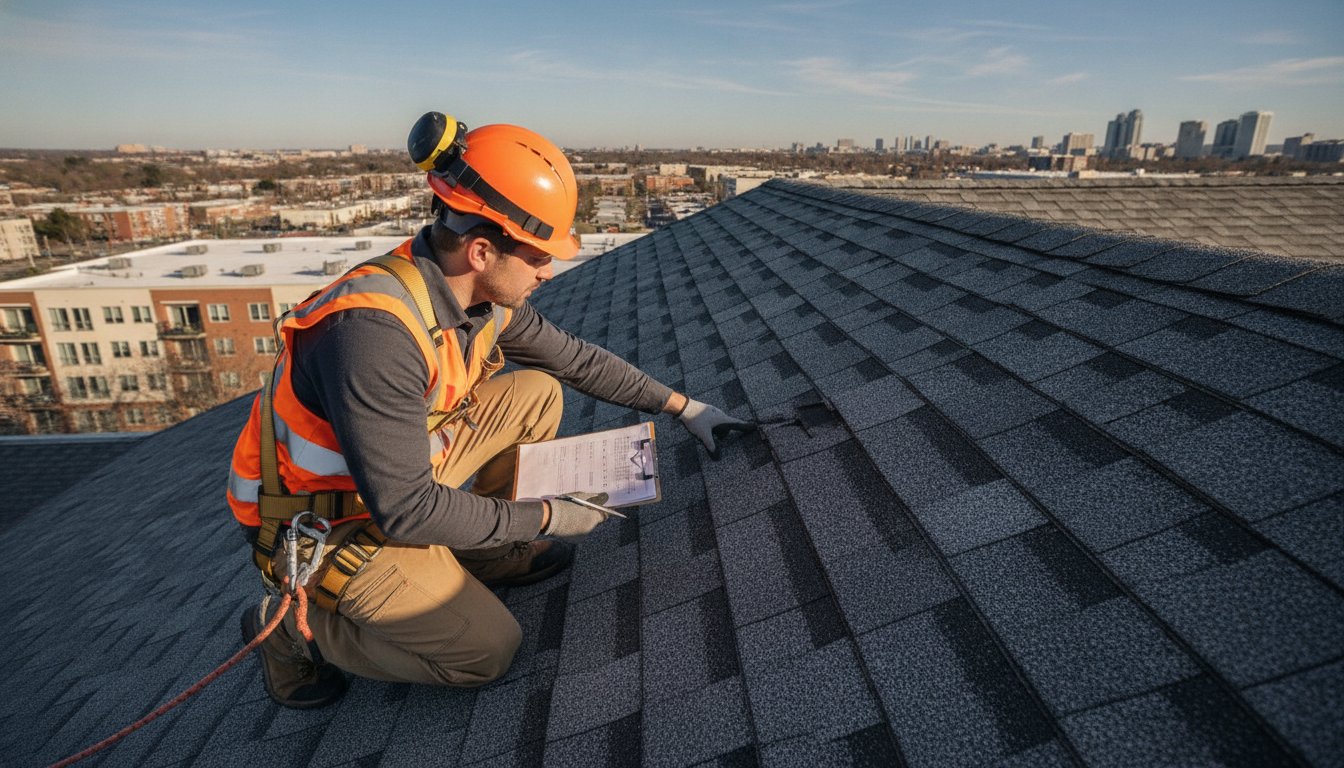
- Inspect every year. Walk the lot each spring. Note new cracks, low spots that hold water, and areas losing color. These observations drive your next decision.
- Schedule seal coating in dry, warm weather. Coatings need time to cure, so most work happens in late spring through early fall depending on your climate.
- Get specific bids. Ask contractors to measure your lot and quote by square foot. Be clear about whether crack sealing and striping are included.
- Fund the big events early. The overlay and full replacement are the events that sink budgets. Build toward them in your reserves well before they arrive.
The Takeaway
Parking lot asphalt rewards small, consistent spending and punishes neglect. A lot that gets seal coated on a three to four year cycle, has cracks filled promptly, and receives a mid-life overlay can last decades beyond its original estimate. The Oakridge illustration shows the cost of treating asphalt as a one-time replacement: the base fails early, repairs grow expensive, and the whole lot ages faster than it should.
ReservePath helps associations break components like asphalt into their real maintenance stages, track condition year to year, and plan funding so the overlay and replacement arrive fully funded. That turns a vague replacement line into a clear, manageable schedule.
This article is for general informational purposes only and is not legal advice. Consult your association's legal counsel on all matters.