Which States Require Reserve Studies? A State-by-State Guide for HOA Boards
Reserve study laws are not the same everywhere
If you serve on a board or manage an association, one of the first questions worth answering is simple: does your state require a reserve study at all? The answer depends entirely on where your community sits. Some states have detailed statutes that spell out how often you must complete a study and how much you must set aside. Others say nothing, leaving the decision to your governing documents or the board's own judgment.
This matters more as the year closes and boards build next year's budget. Reserve requirements often tie directly to your fiscal year and annual budget approval, so understanding the rules before January keeps you from scrambling later.
States that mandate reserve studies
A growing number of states require associations to conduct a reserve study and update it on a set schedule. The specifics vary, but the pattern is consistent: a professional study at a defined interval, often with a lighter update in between.
States that have adopted reserve study mandates for community associations include California, Nevada, Utah, Colorado, Hawaii, Virginia, and Washington. Several others have added requirements for condominium associations specifically, especially in the wake of heightened attention to structural safety in buildings.
Here is the general shape of what these laws tend to require, though you should always confirm the current language of your own state statute:
- A study interval. Many states require a full reserve study every three to five years, with annual or periodic updates in the years between.
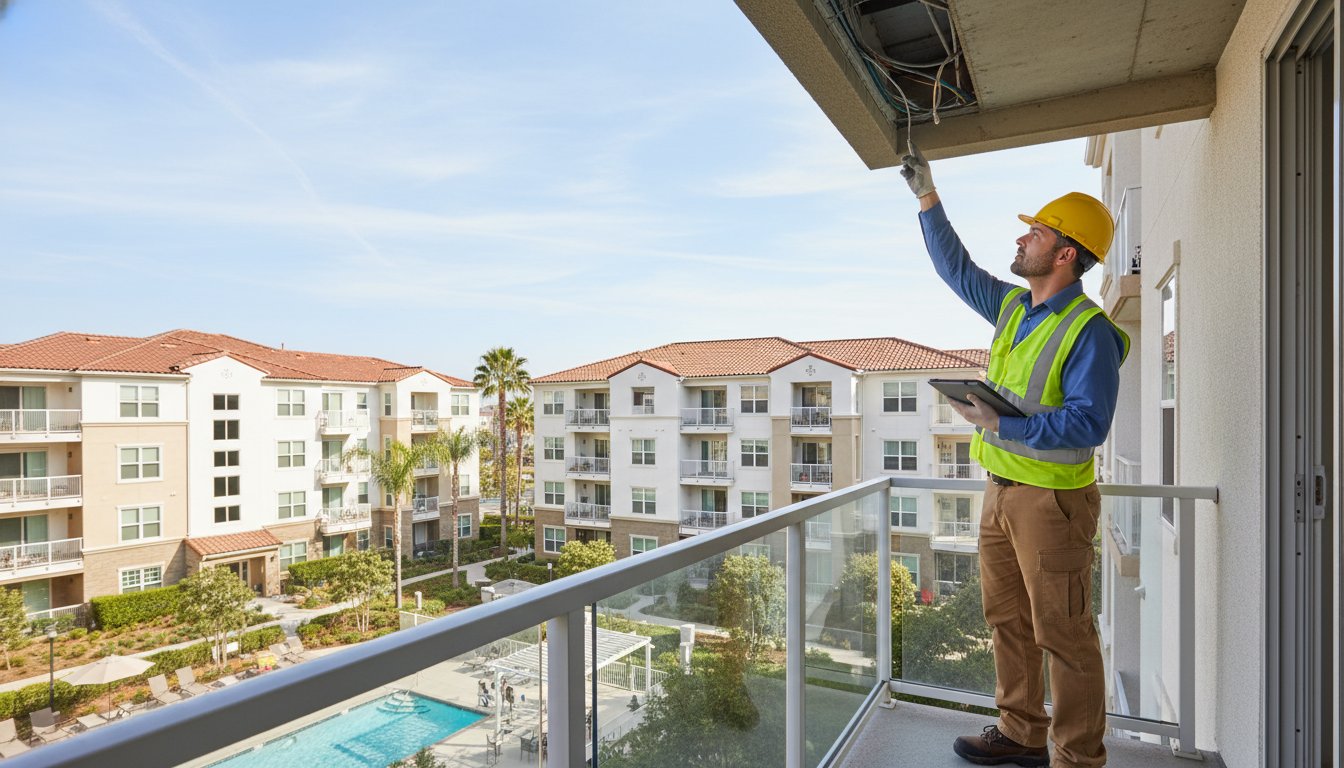
- A site inspection component. Some statutes require that a qualified professional physically inspect the property as part of the study, not just update numbers on paper.
- Budget disclosure. Boards often must summarize reserve funding status in the annual budget or in a disclosure delivered to owners.
California is often cited as one of the earliest and most detailed. Associations there must review reserves annually and complete a visual site inspection at least every three years. Nevada and Hawaii also have long-standing requirements tied to their condominium and community association acts.
States with funding or disclosure rules but no full study mandate
Some states take a middle path. They do not require a formal reserve study, but they do require the board to disclose reserve information to owners or prospective buyers. Others require associations to maintain reserves without prescribing how to calculate them.
Florida has moved significantly in this direction for condominium associations, with structural reserve requirements that have reshaped how many buildings fund repairs. Because Florida's rules are tied closely to building inspections rather than a general reserve study framework, they work differently from the state study mandates above. Check the current statute and consult your association attorney before making assumptions about what applies to your building.
States with no reserve study requirement
Many states still have no statutory reserve study requirement at all. In those places, your obligation comes from your governing documents. CC&Rs and bylaws frequently require the board to fund reserves and sometimes require periodic studies, even when state law is silent.
The absence of a law does not mean the absence of risk. A board that underfunds reserves and then faces a large special assessment can draw owner complaints and, in some cases, claims that the board failed its fiduciary duty. Treating a reserve study as a best practice, not just a legal checkbox, protects both the community and the individual board members.
How to find your own requirement
The rules change. Legislatures revisit reserve and structural safety laws regularly, and what was true three years ago may not be true now. Use this process instead of relying on memory or on advice meant for another state:
- Identify your entity type. Condominiums, planned communities, and cooperatives are sometimes governed by different statutes within the same state.
- Read your governing documents. They may impose stricter requirements than state law and you are bound by the stricter rule.
- Confirm the current statute. Pull the actual text or have your attorney review it. Do not rely on summaries, including this one, as a substitute.
- Ask your reserve study provider. Firms that work across states track these requirements and can tell you what interval and inspection type your state expects.
An illustration of how this plays out
Consider a made-up association, Birchwood Commons, with units split between a Nevada property and a sister community in a state with no reserve mandate. The Nevada board completes a full study every five years with annual reviews because the law requires it. The sister board, facing no legal mandate, had gone nine years without a study. When a roof replacement came due, the second community had no plan and passed a large special assessment. Same organization, two very different outcomes, driven mostly by whether a requirement existed to force the discipline.
The lesson applies everywhere. A legal mandate is a floor, not a ceiling. Communities that treat reserve planning as routine, regardless of what their state requires, tend to avoid the worst surprises.
ReservePath helps associations in every state manage their reserve studies, track components, and plan funding so you stay ahead of both legal requirements and the next big repair. Start your year with a clear plan instead of a question mark.
This article is for general informational purposes only and is not legal advice. Consult your association's legal counsel on all matters.