Florida SB 4-D Compliance Guide: Structural Inspections for Condo Associations
Florida SB 4-D requires condominium and cooperative buildings of three habitable stories or more to pass a Milestone Inspection and to complete a Structural Integrity Reserve Study (SIRS). The first Milestone Inspection is due by December 31 of the year the building reaches 30 years of age, then every 10 years, and the SIRS must be redone at least every 10 years. Owners can no longer vote to waive reserves for the structural components the SIRS covers.
Why Florida Rewrote the Rules for Condo Buildings
On June 24, 2021, the collapse of Champlain Towers South in Surfside killed 98 people. The tragedy exposed a gap that had existed for decades in Florida law: no statewide requirement forced condominium associations to inspect aging structures or set aside money to fix them. Boards could defer major repairs indefinitely, often to keep monthly dues low. That practice ended in 2022.
Senate Bill 4-D, signed into law on May 26, 2022, created mandatory structural inspection and reserve funding requirements for many Florida condominium and cooperative buildings. The Legislature has amended those rules several times since, including SB 154 in 2023 and HB 913 in 2025, so older summaries are often out of date. If you serve on a board or manage an association in Florida, you need to understand what these laws require, when the deadlines fall, and what happens if you miss them.
Which Buildings Are Covered
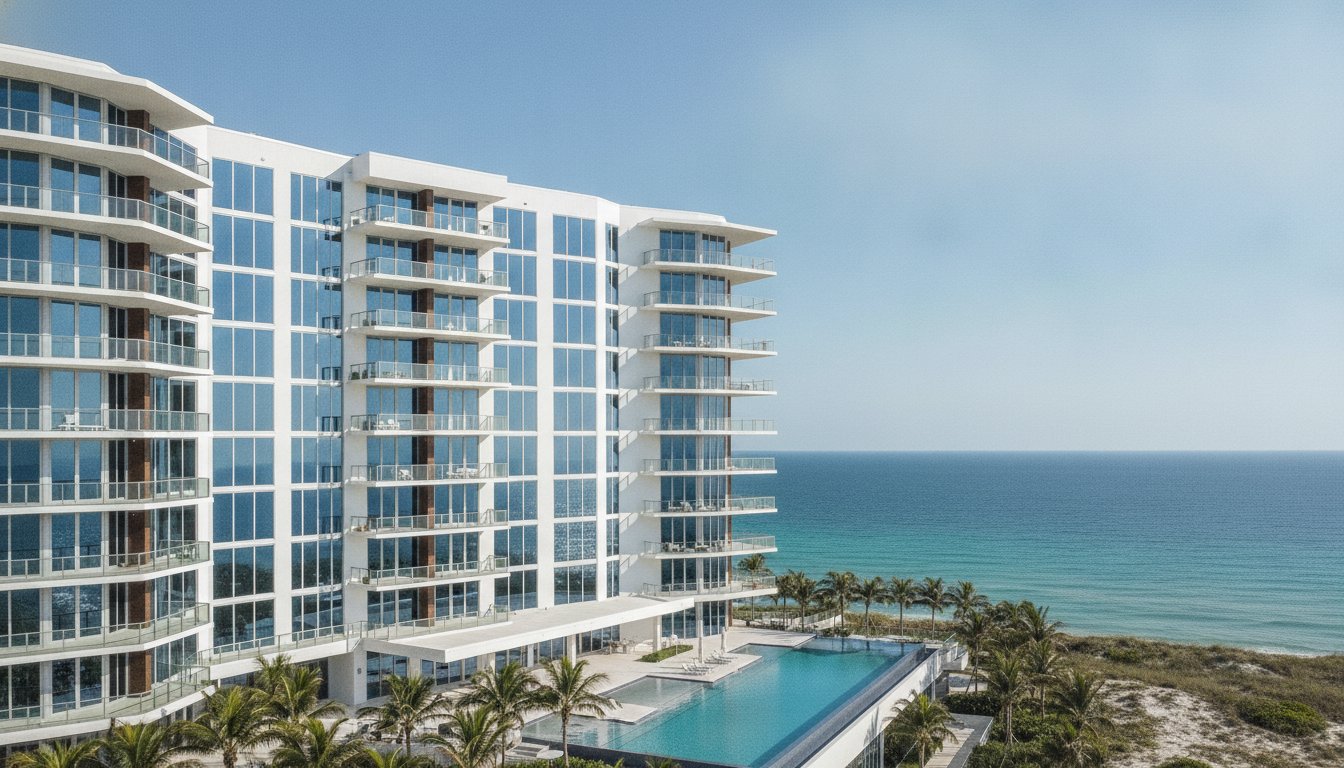
The requirements apply to condominium and cooperative buildings that are three habitable stories or more in height, as determined by the Florida Building Code. The word "habitable" was added in 2025, so how a building is counted can matter. If you are unsure whether your building qualifies, ask a licensed engineer or architect or your local building department. Single-family homes and buildings under three habitable stories fall outside these specific requirements.
If your association owns or maintains a covered building, you have two separate obligations under the law: the Milestone Inspection and the Structural Integrity Reserve Study. These are distinct processes with different purposes, and boards frequently confuse them.
The Milestone Inspection Explained
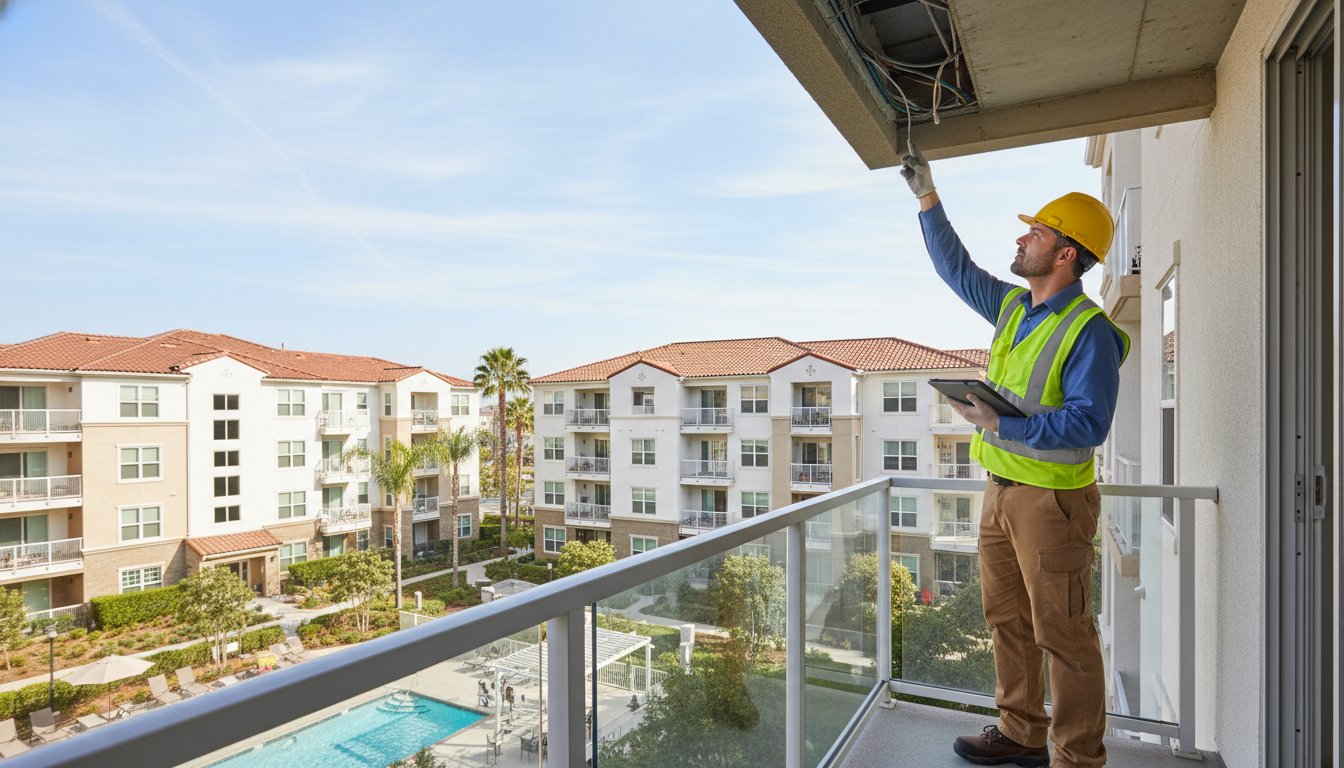
A Milestone Inspection is a structural evaluation performed by a licensed Florida architect or engineer. Its purpose is to confirm that the building is structurally sound and safe for continued occupancy.
When It Must Happen
The first Milestone Inspection must be performed by December 31 of the year in which the building reaches 30 years of age, based on the date the certificate of occupancy was issued, and every 10 years after that. The original SB 4-D set a 25-year timeline for buildings within three miles of the coast. SB 154 in 2023 removed that statewide coastal rule. A local enforcement agency can still require the inspection at 25 years where local conditions, such as proximity to salt water, call for it, and it can extend a deadline for good cause.
Two transition deadlines applied to older buildings:
- A building that reached 30 years of age before July 1, 2022 had to have its first inspection before December 31, 2024.
- A building that reached 30 years of age on or after July 1, 2022 and before December 31, 2024 had to have its first inspection before December 31, 2025.
If your building passed one of these dates without an inspection, speak to your local building official and your association's attorney now.
The Two-Phase Process
The inspection works in two phases:
- Phase One: A licensed architect or engineer performs a visual examination of the building. If the professional finds no signs of substantial structural deterioration, the inspection ends here.
- Phase Two: If Phase One reveals signs of substantial structural deterioration, the professional conducts a more detailed investigation. This can involve testing, sampling, or destructive methods to determine the extent of the problem and the repairs needed.
After the inspection, the architect or engineer submits a sealed report to the association and to the local building official. Within 45 days of receiving the report, the association must distribute a copy of the inspector's summary to every unit owner, whatever the findings.
The Structural Integrity Reserve Study
The second requirement is the Structural Integrity Reserve Study, often shortened to SIRS. This is where reserve funding law changed dramatically.
A SIRS is based on a visual inspection of the property. It identifies each item inspected, estimates its remaining useful life and its replacement cost or deferred maintenance expense, and provides a reserve funding schedule. Every covered building must have a SIRS completed at least once every 10 years.
Associations that existed on or before July 1, 2022 and are controlled by unit owners had to complete their first SIRS by December 31, 2025. An association that also owes a Milestone Inspection by December 31, 2026 may do the two together, but the SIRS may not be completed after December 31, 2026.
Components That Must Be Studied
The law names the items a SIRS must cover. At minimum, the study must address:
- Roof
- Structure, including load-bearing walls and other primary structural members and primary structural systems
- Fireproofing and fire protection systems
- Plumbing
- Electrical systems
- Waterproofing and exterior painting
- Windows and exterior doors
- Any other item with a deferred maintenance expense or replacement cost above $25,000, or the inflation-adjusted amount the state publishes, whose failure would negatively affect the items listed above
The End of Reserve Waivers
Here is the change that hits budgets hardest. Before SB 4-D, Florida associations could vote each year to waive or reduce reserve funding. Many did, sometimes for years in a row. That option is gone for the components listed in a SIRS.
For budgets adopted on or after December 31, 2024, associations that must have a SIRS can no longer vote to waive or reduce reserves for those components. Owners also may not vote to use those reserve funds for any other purpose. At a minimum, the SIRS must recommend a funding schedule based on a baseline funding plan, meaning the reserve cash balance stays above zero in every year.
Later amendments added some flexibility. These reserves may be funded through regular assessments, special assessments, lines of credit or loans, and a special assessment, line of credit or loan needs approval by a majority of the total voting interests. For budgets adopted on or before December 31, 2028, an association that completed a Milestone Inspection in the previous two calendar years may, with that same majority approval, pause or reduce reserve contributions for up to two consecutive annual budgets to pay for the repairs the inspection recommended. Ask your attorney whether these options fit your situation. For many associations the result is still higher dues, and boards should prepare owners for that reality.
A Step-by-Step Compliance Path
Follow this sequence to bring your association into compliance and keep it there.
Step 1: Confirm Your Building's Status
Pull the certificate of occupancy and confirm the building's age and its count of habitable stories. Document the exact date the CO was issued, because every deadline is calculated from that date.
Step 2: Schedule the Milestone Inspection if Due
If your building is at or past 30 years, hire a licensed Florida architect or engineer. Qualified professionals book up quickly around these deadlines, so do not wait until the final months.
Step 3: Commission a SIRS
A SIRS, including its visual inspection, must be performed or verified by a licensed engineer, a licensed architect, or a person certified as a reserve specialist or professional reserve analyst by Community Associations Institute or the Association of Professional Reserve Analysts. The study must address every mandated component. If you already had a reserve study, it may not meet the SIRS standard, so confirm the scope before assuming you are covered.
Step 4: Rebuild Your Reserve Budget
Take the SIRS findings and adjust your budget to fund each structural component on the schedule the study sets. Model the dues impact across several years so the board can weigh the options the statute allows. Communicate the numbers to owners early.
Step 5: Distribute Reports and Keep Records
Send the inspection summary to owners within 45 days and make sure reports reach the local building official. Keep the sealed reports and study documents in your association records. Buyers, lenders and insurers may ask for these documents, and missing paperwork can stall unit sales.
What Happens If You Ignore the Law
Noncompliance carries real consequences. A board that fails to complete a required Milestone Inspection can face liability, and local building officials have authority to act on unsafe structures. Failing to fund SIRS reserves exposes directors to breach of fiduciary duty claims. Missing inspections and thin reserves can also make units harder to sell, finance or insure.
The purpose behind these laws is plain: keep buildings safe and make sure the money exists to maintain them. Boards that treat compliance as a real safety program, not a paperwork exercise, protect both their residents and their property values.
Staying Ahead of the Deadlines
Compliance is not a one-time task. Milestone Inspections repeat every 10 years, SIRS studies repeat at least every 10 years, and reserve funding must be maintained every budget cycle. Build a calendar that tracks each deadline from your building's CO date, and revisit your funding plan annually as costs and component conditions change. Because the Legislature has changed these rules almost every year, confirm the current text before each budget.
ReservePath helps Florida associations manage their Structural Integrity Reserve Studies, track mandated components, and plan funding so your board stays organized year after year.
Frequently Asked Questions
Which Florida buildings does SB 4-D apply to?
Condominium and cooperative buildings that are three habitable stories or more in height, as determined by the Florida Building Code. Single-family homes and buildings under three habitable stories fall outside these requirements.
When is a Florida milestone inspection due?
By December 31 of the year the building reaches 30 years of age, based on the certificate of occupancy date, and then every 10 years. A local enforcement agency can require it at 25 years where local conditions call for it.
When was the first SIRS due?
Unit-owner-controlled associations that existed on or before July 1, 2022 had to complete it by December 31, 2025. It could be done together with a Milestone Inspection due by December 31, 2026, but no later than that date.
What is the difference between a milestone inspection and a SIRS?
A Milestone Inspection is a structural safety evaluation by a licensed Florida architect or engineer. A Structural Integrity Reserve Study estimates the remaining useful life and replacement cost of specific structural components so the association can fund them.
Can a Florida condo association still waive reserves?
Not for the components covered by a Structural Integrity Reserve Study. For budgets adopted on or after December 31, 2024, owners of covered buildings can no longer vote to waive or reduce those reserves, or to use them for another purpose.
Who can prepare a SIRS?
A licensed engineer, a licensed architect, or a person certified as a reserve specialist or professional reserve analyst by Community Associations Institute or the Association of Professional Reserve Analysts must perform or verify it.
What happens in Phase Two of a milestone inspection?
Phase Two only happens if the Phase One visual examination finds signs of substantial structural deterioration. The architect or engineer then does a more detailed investigation, which can include testing or sampling, to find the extent of the problem and the repairs needed.
Sources
- Florida SB 4-D (2022 Special Session D), Building Safety, Chapter 2022-269, approved May 26, 2022, The Florida Senate
- Florida CS/CS/SB 154 (2023), Condominium and Cooperative Associations, Chapter 2023-203, The Florida Senate
- Florida CS/CS/HB 913 (2025), Condominium and Cooperative Associations, Chapter 2025-175, The Florida Senate
- Florida Statutes 553.899 (mandatory milestone inspections for condominium and cooperative buildings), Online Sunshine, The Florida Legislature
- Florida Statutes 718.112(2)(f) and (2)(g) (reserves and structural integrity reserve study), Online Sunshine, The Florida Legislature
- Inspections: Milestone Inspections and Structural Integrity Reserve Studies, Florida Department of Business and Professional Regulation
This article is for general informational purposes only and is not legal advice. Consult your association's legal counsel on all matters.