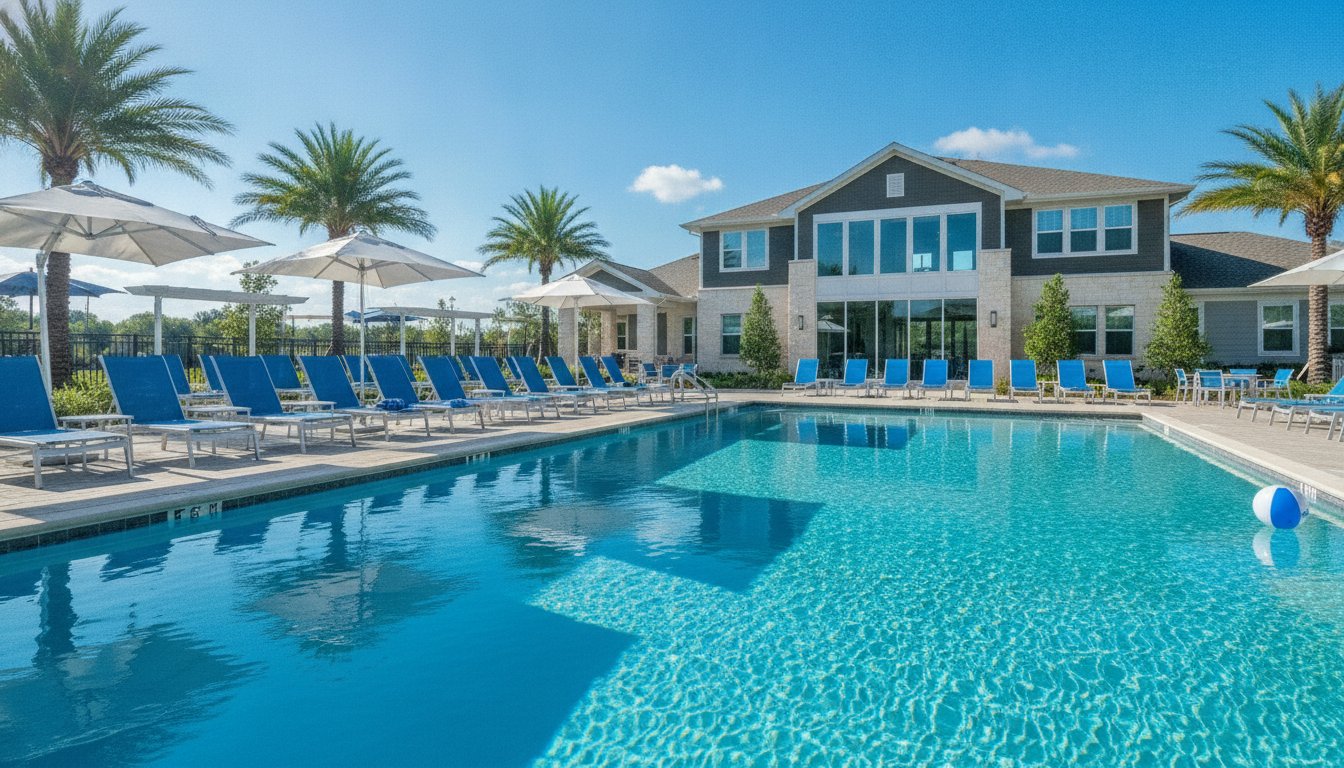
Managing Community Amenities: A Seasonal Guide to Pools, Gyms, and Clubhouses
Warm weather changes how residents use your community. The pool fills up. The clubhouse calendar packs with graduation parties and family reunions. The gym sees a spring rush. For board members and property managers, the busy season is also the season when amenity problems become most visible and most expensive to ignore.
Good amenity management is part scheduling, part maintenance, and part planning for the day each component needs major repair or replacement. This article walks through practical steps for keeping your pools, gyms, clubhouses, and booking systems running smoothly through the high-use months.
Prepare Your Pool Before the First Swimmer Arrives
A pool that opens late or closes mid-season frustrates residents and often triggers emergency spending. Start your inspection weeks before opening day, not the morning of.
Check these items before the season begins:
- Pump and filtration equipment. Run the system and listen for noise, leaks, or weak flow. Equipment that struggled last year rarely improves over the winter.
- Decking and coping. Look for cracks, lifting tiles, and trip hazards. These are safety issues first and liability issues second.
- Fencing and gate latches. Self-closing, self-latching gates are a legal requirement in most jurisdictions. Confirm yours work and check the specific rules with your association's attorney, since pool barrier codes vary by state and locality.
- Drain covers. Federal law requires anti-entrapment drain covers on public and community pools. Verify yours are compliant and not past their service date.
- Plaster, liner, and tile. Surface wear tells you how close the pool is to a resurfacing project, which is one of the larger reserve expenses a community faces.
Document what you find. A pool that needs resurfacing in two or three years belongs in your reserve planning now, not in a surprise special assessment later.
Keep the Gym Safe and Usable
Fitness rooms get heavy use and wear out faster than many boards expect. Cardio machines, in particular, have moving parts that fail and bearings that wear down with constant use.
Build a simple maintenance routine:
- Schedule professional servicing for treadmills, ellipticals, and bikes at least once a year. Many manufacturers recommend more frequent service for shared equipment.
- Inspect cables, pins, and weight stacks on strength machines for fraying and damage.
- Keep sanitizing supplies stocked and visible. Residents expect clean equipment, and a stocked station reduces complaints.
- Check flooring for lifting tiles or worn rubber mats that create fall risk.
- Post clear hours, rules, and emergency contact information where every user can see them.
Track the age and condition of each major machine. When a treadmill reaches the end of its useful life, replacing it should be a planned purchase, not a scramble after it breaks.
Run the Clubhouse Like a Shared Resource
The clubhouse is often the most contested amenity during busy months because demand spikes and supply is fixed. One room, many requests. Clear rules prevent most of the conflict.
Set written booking policies
Put your rules in writing and apply them the same way every time. Cover the points residents ask about most:
- How far in advance residents can reserve the space
- Maximum booking length and whether back-to-back bookings are allowed
- Deposit amounts, cleaning fees, and refund conditions
- Occupancy limits and whether outside guests are permitted
- Quiet hours and rules for music, alcohol, and catering
When policies are written and consistent, you remove the appearance of favoritism and reduce disputes over who got the Saturday slot.
Inspect before and after each event
A simple checklist completed before and after every booking protects the association. Photos of the space before an event settle most damage disputes without argument. Tie the security deposit to that inspection so the rules have teeth.
Choose a Booking System That Fits Your Community
Small communities can manage amenity reservations with a shared calendar and a single point of contact. Larger communities with pools, gyms, courts, and multiple gathering spaces usually need a dedicated system.
When evaluating any booking tool, look for:
- Self-service reservations so residents book without calling the office
- Automatic conflict prevention that blocks double-booking a space
- Usage reports that show which amenities get used and when
- Access control integration for key fobs or codes tied to reservations
Those usage reports matter more than most boards realize. If the data shows the clubhouse books every weekend but the tennis court sits empty, that information guides both maintenance priorities and future spending decisions.
Connect Amenity Use to Long-Term Planning
Every amenity you offer is a reserve component with a useful life and a replacement cost. Pool resurfacing, gym equipment replacement, clubhouse HVAC, and furniture all age on a predictable schedule. Heavy summer use accelerates that wear.
The busy season is the best time to assess condition, because you can see components under real stress. A board that records what it observes each summer builds a far more accurate picture of when the money will be needed. That turns amenity management from reactive repair into a funded plan.
ReservePath helps associations track amenity components, record condition over time, and plan funding so pool, gym, and clubhouse replacements fit into your reserve study instead of arriving as a surprise.
This article is for general informational purposes only and is not legal advice. Consult your association's legal counsel on all matters.