Applying CAI's Latest Reserve Trends: A Board Walkthrough
The Association: Willow Creek Condominiums
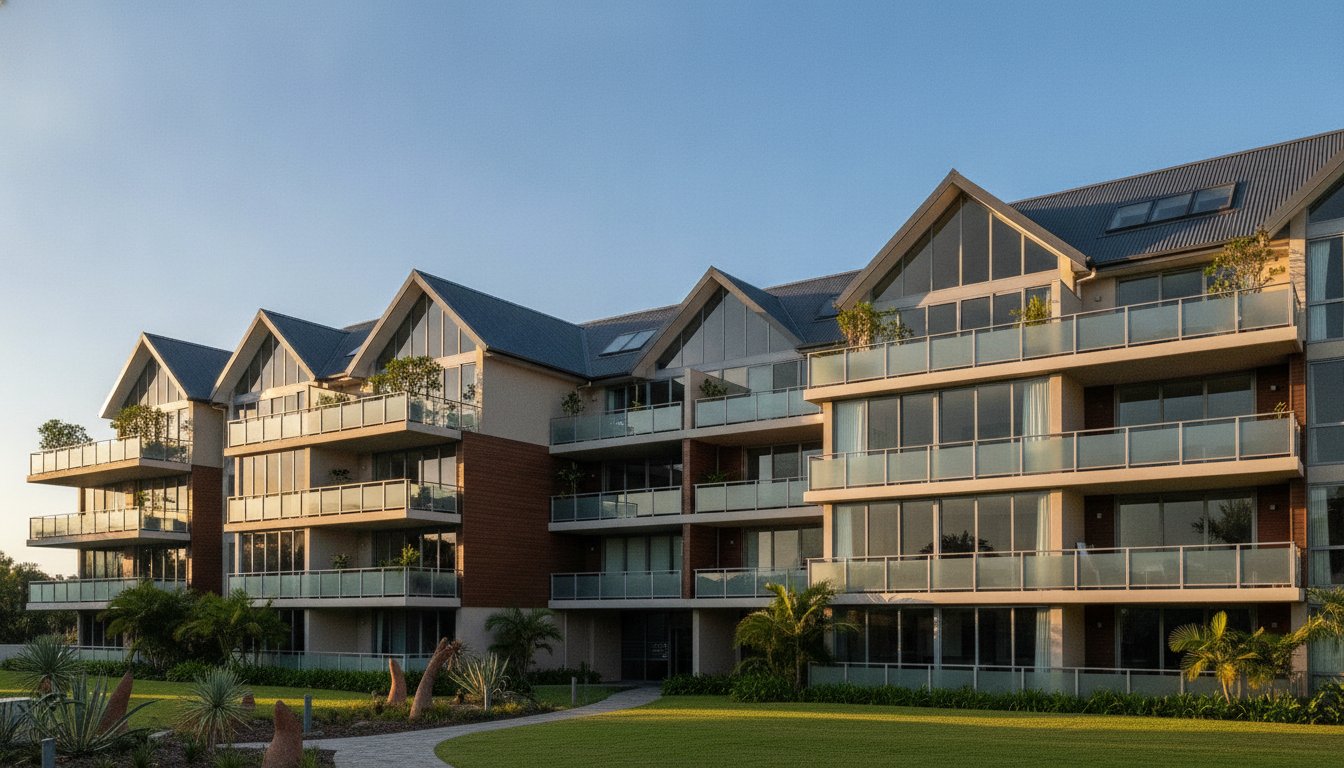
Willow Creek is a 96-unit condominium community built in 1998. The board has seven members, most of whom serve two-year terms. Like many associations, Willow Creek treated its reserve study as a document to file and forget. The last full study was completed in 2019, and the board had been updating numbers internally without a site visit since then.
That changed after the association's property manager came back from an industry conference with notes on where reserve funding practice is heading. This walkthrough follows how the board turned those ideas into concrete decisions over one budget cycle. Willow Creek is a made-up community, and the themes below are our own summary of common practice, not statements by any organization.
Four Themes the Board Took Seriously
Four themes shaped Willow Creek's thinking. None is new, but together they changed how the board read its own numbers.
1. Update frequency is tightening
Many associations still follow the old habit of a full study every five years with no reviews in between. A stronger practice is a full study with a site inspection every three years, paired with annual no-inspection updates. Willow Creek had drifted to a six-year gap between physical inspections. That was the first red flag.
2. Inflation and construction costs deserve real scrutiny
Construction and material costs do not always move with general inflation, and a few years of sharp increases can leave a study badly out of date. Roofing, concrete, and elevator work are large enough that a small error in the rate matters. Willow Creek's internal updates had used a flat 3 percent inflation assumption every year. That number no longer matched reality.
3. Percent funded is the metric that matters
Percent funded is the clearest single measure of reserve health. As a common rule of thumb, an association below 30 percent funded carries a much higher risk of special assessments. Willow Creek did not even know its current percent funded figure because the board had been tracking only the cash balance.
4. Lender and insurance scrutiny is rising
Mortgage lenders and insurers can ask about a condominium's reserves. Weak reserves can make units harder to finance and sell, and buildings harder to insure. For a community where owners sell regularly, this hit home.
Step One: An Honest Assessment
The board hired a credentialed reserve specialist to perform a full study with a site inspection, the first physical review in six years. The results were sobering.
- The reserve balance stood at $410,000.
- The fully funded balance should have been roughly $1.36 million.
- Percent funded came in at 30 percent, right at the level the rule of thumb treats as high risk.
- The flat 3 percent inflation assumption had understated the future cost of the roof replacement by nearly $180,000.
The board had believed reserves were in decent shape because the cash balance had grown every year. The problem was that costs grew faster. This is a common trap.
Step Two: Choosing a Funding Approach
The reserve specialist presented three funding scenarios so the board could see the tradeoffs instead of a single number.
Baseline funding
This approach keeps the reserve from ever hitting zero but allows the balance to run low. It required the smallest contribution increase, about 6 percent per year, but left the association exposed if a major component failed early.
Threshold funding
This targets a set minimum balance, in Willow Creek's case never dropping below $250,000. It required a moderate increase of roughly 11 percent in year one, then smaller steps.
Full funding
This aims for 100 percent funded over time. It called for a 19 percent contribution increase in the first year, which the board judged too steep for owners to absorb at once.
The board selected threshold funding. It balanced the need to avoid dangerously low balances against the practical limits of what owners would accept. The plan moved the association from 30 percent funded to a projected 58 percent funded over ten years.
Step Three: Communicating With Owners
Reserve funding is a communication challenge as much as a financial one. Willow Creek's board held a special owner meeting before the vote. They showed the two paths clearly: gradual contribution increases now, or a likely special assessment of $8,000 to $12,000 per unit when the roof and elevators came due around the same time in 2029.
Presented that way, the increase passed. Owners understood they were choosing predictable dues over an unpredictable lump-sum bill.
Step Four: Building the Ongoing Cycle
The board adopted a regular update cycle. A full study with inspection every three years. A no-inspection update every year in between. Inflation assumptions reviewed annually against real regional cost data instead of a fixed guess.
The board also added percent funded as a standing item on every annual budget report. That single change forced the metric into every future funding conversation.
What Other Boards Can Take From This
Willow Creek is an illustration, but its lessons apply widely. A few lessons carry over to almost any association:
- Cash balance alone tells you nothing. Track percent funded so you know where you actually stand.
- Inspection gaps hide problems. A physical site visit catches deterioration that spreadsheet updates miss.
- Inflation assumptions age quickly. Revisit them every year, especially for high-cost components like roofing and elevators.
- Owners accept increases when they understand the alternative. Frame the choice honestly and show the numbers.
The association did not need a crisis to change course. It needed current information and the willingness to act on it. That is the practical value of keeping up with what the industry publishes each year.
If your board wants to track components, model funding scenarios, and keep reserve studies current between inspections, ReservePath gives you one place to manage the entire process and plan funding with confidence.
This article is for general informational purposes only and is not legal advice. Consult your association's legal counsel on all matters.