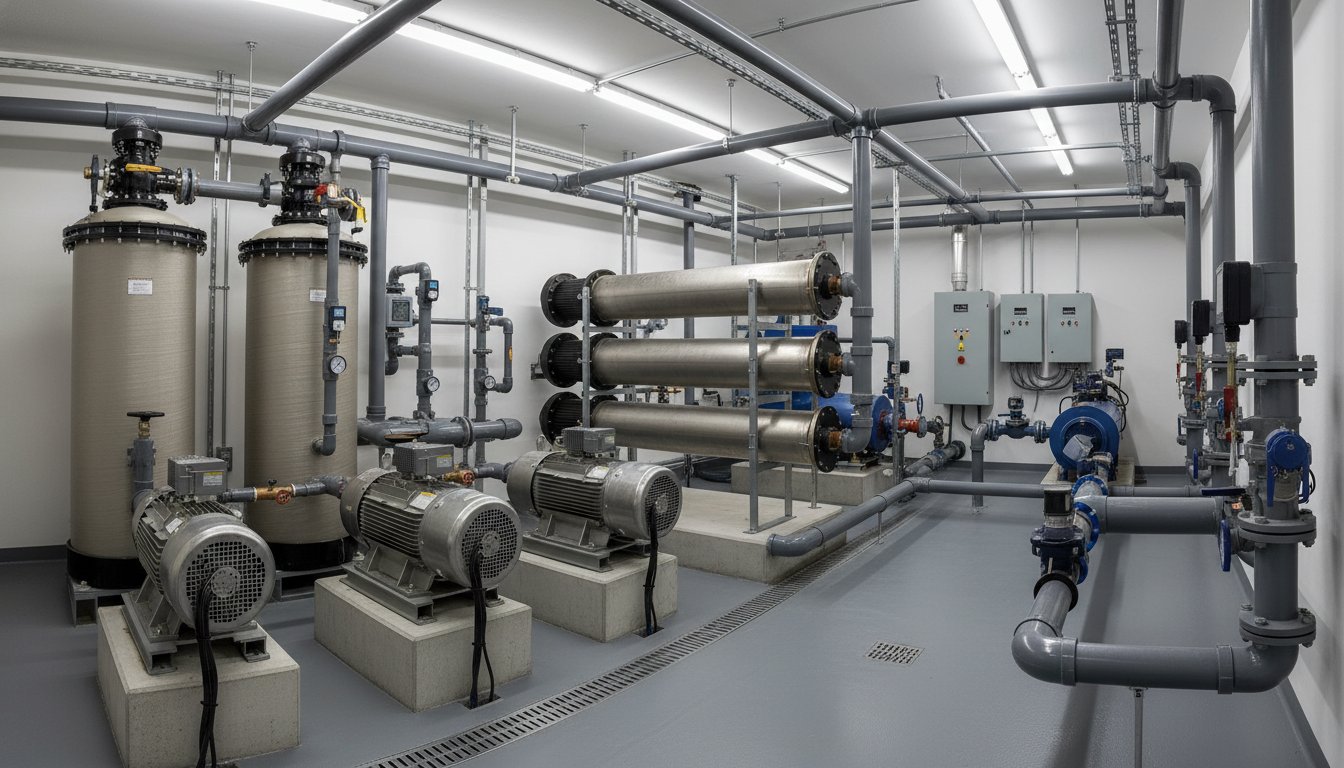
Pool Equipment Lifecycle Planning: When to Replace Pumps, Heaters, and Surfaces
Pool maintenance represents one of the largest ongoing expenses for associations with aquatic facilities. Understanding equipment lifecycles helps boards plan replacements, avoid emergency repairs, and keep reserve funding on track.
Pool Pump Replacement Cycles
Variable speed pool pumps last 8-12 years with proper maintenance. Single speed pumps have shorter lifespans at 6-10 years. Signs of pump failure include loud grinding noises, frequent tripping of circuit breakers, and reduced water flow.
Replace pumps before they fail completely. A dead pump during peak season forces emergency repairs at premium costs. Budget $800-2,500 per pump depending on horsepower and efficiency ratings.
Modern variable speed pumps cost more upfront but reduce electricity consumption by 50-70%. The energy savings typically pay back the higher initial cost within 2-3 years.
Pool Heater Maintenance and Replacement
Gas pool heaters last 7-10 years in most climates. Heat pumps extend that range to 10-15 years. Salt exposure and chemical imbalances accelerate deterioration.
Annual heater maintenance includes cleaning heat exchangers, checking gas connections, and testing safety controls. This service costs $200-400 but prevents premature failure.
Replace heaters showing these warning signs:
- Inability to reach set temperatures
- Frequent shutdowns or error codes
- Visible corrosion on heat exchanger
- Yellow or irregular gas flames
- Rising gas consumption without increased usage
Budget $3,000-8,000 for gas heater replacement and $4,000-12,000 for heat pump systems.
Pool Surface and Decking Lifecycles
Plaster pool surfaces require resurfacing every 7-12 years. Aggregate finishes like pebble or quartz extend this to 12-20 years. Fiberglass pools need gelcoat renewal every 10-15 years.
Surface problems appear gradually. Rough texture that snags swimsuits indicates worn plaster. Dark staining that resists acid washing signals permanent damage. Small cracks spread quickly once they start.
Concrete pool decking lasts 15-25 years before requiring major renovation. Factors affecting lifespan include:
- Freeze-thaw cycles in cold climates
- Ground movement and settling
- Salt damage from pool chemicals
- Tree root intrusion
Plan deck repairs when you see settling, cracking, or trip hazards. Liability concerns make deck safety a priority.
Pool Equipment Replacement Timing
Schedule major pool renovations during off-season months. Most associations close pools from November through March, providing a 4-5 month window for major work.
Book contractors by July for fall installations. Popular pool contractors fill their schedules quickly, especially for large commercial projects.
Coordinate related replacements together. If your pool needs new plumbing, replace the heater and pump simultaneously. Bundling work reduces labor costs and minimizes disruption.
Budgeting for Pool Component Replacement
Pool equipment represents significant reserve study components. Track actual replacement costs to refine future budgets. Price inflation affects pool equipment heavily due to copper, steel, and concrete costs.
Consider these typical replacement costs for community pools:
- Pool pumps: $800-2,500 each
- Pool heaters: $3,000-12,000 each
- Pool resurfacing: $3-7 per square foot
- Deck replacement: $5-15 per square foot
- Pool equipment pads: $2,000-5,000 complete
Geographic location significantly affects these costs. California and Florida installations run 20-30% higher than national averages.
Extending Pool Equipment Life
Proper water chemistry extends equipment life substantially. Balanced pH prevents corrosion of metal components. Appropriate sanitizer levels reduce biofilm that clogs pipes and filters.
Professional quarterly inspections catch problems early. Service technicians spot worn bearings, loose connections, and failing seals before they cause major damage.
Keep detailed maintenance logs. Document chemical readings, equipment repairs, and replacement dates. This history helps predict future needs and validates warranty claims.
ReservePath helps associations track pool equipment lifecycles and plan replacement funding through detailed component analysis and funding projections.