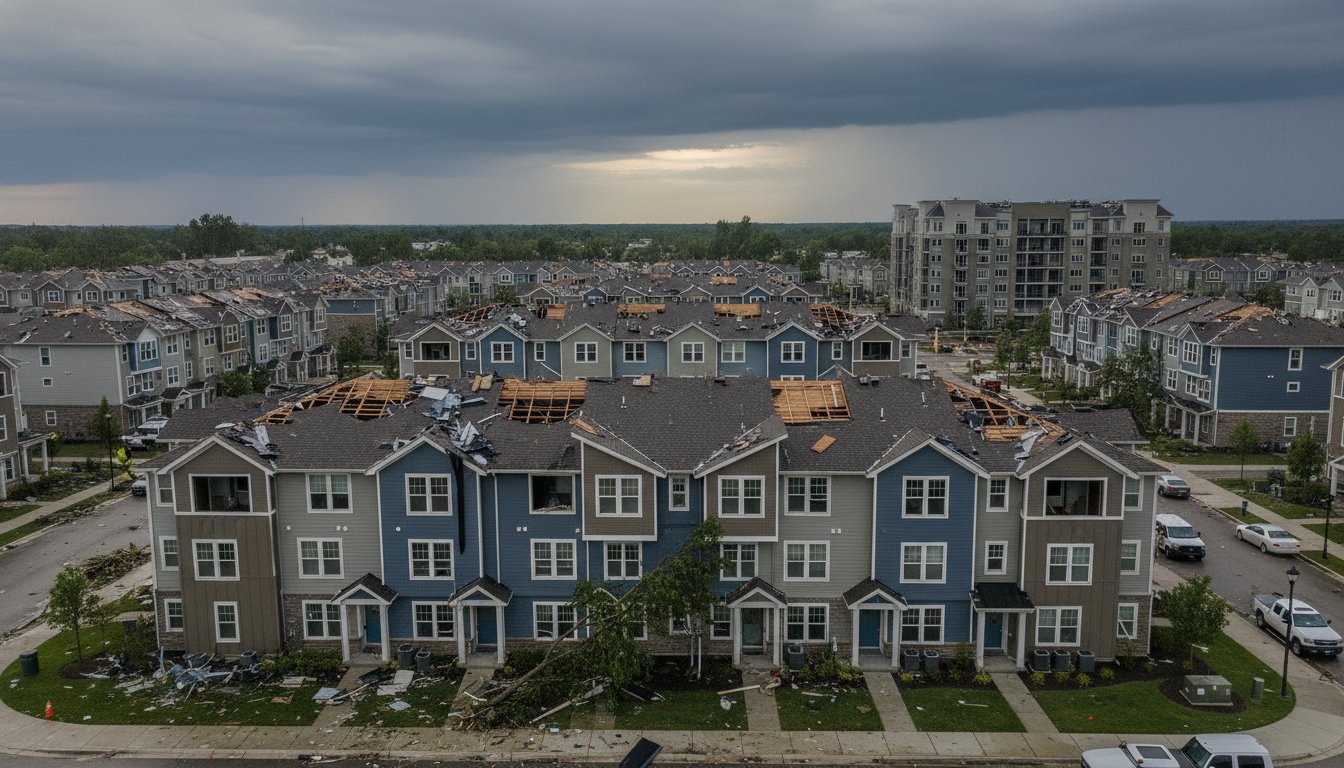
Insurance Crisis Hits HOAs: How Sky-High Premiums Wreck Reserve Budgets
The Meadowbrook Homeowners Association faced a harsh reality when their insurance renewal arrived in March 2024. Their premium jumped from $89,000 to $147,000 overnight. Board president Sarah Chen stared at the notice in disbelief. This 65% increase would blow their operating budget and force difficult decisions about reserve funding.
The Perfect Storm: Why Insurance Costs Are Exploding
Meadowbrook's situation reflects a nationwide crisis. Insurance companies are fleeing states like Florida, California, and Texas after massive weather-related losses. Those that remain are demanding higher premiums and bigger deductibles.
The numbers tell the story. Property insurance rates for community associations rose 25-40% nationally in 2023. Some coastal communities saw increases of 100% or more. The trend continues into 2024 with no relief in sight.
Several factors drive these increases:
- Climate-related disasters caused $90 billion in insured losses in 2023
- Construction costs rose 30% since 2020, increasing replacement values
- Litigation costs in states like Florida add 15-20% to premiums
- Reinsurance markets tightened after years of catastrophic losses
Case Study: Meadowbrook's Response Strategy
Chen called an emergency board meeting. Property manager Mike Torres presented three options for handling the $58,000 budget shortfall.
Option 1: Emergency Special Assessment
The board could levy a special assessment of $387 per unit to cover the insurance increase. This would preserve their reserve contributions but create financial hardship for many residents. Fixed-income retirees, who made up 40% of their 150 units, would struggle with the sudden expense.
Option 2: Raid the Reserves
They could transfer $58,000 from reserves to cover the shortfall. This would avoid immediate pain but create long-term problems. Their reserve study already showed underfunding for roof replacement scheduled for 2027.
Option 3: Hybrid Approach
Chen proposed splitting the difference. They would increase monthly assessments by $15 per unit and transfer $31,000 from reserves. This balanced immediate affordability with long-term financial health.
The Broader Impact on Reserve Planning
Insurance increases don't just affect operating budgets. They create ripple effects throughout reserve planning:
Higher replacement costs: When insurance companies update replacement cost valuations, reserve studies must adjust accordingly. Meadowbrook's reserve study assumed $185 per square foot for reconstruction. Their new policy valued replacement at $220 per square foot.
Deductible planning: Many associations now carry $25,000 to $100,000 deductibles to control premiums. These large deductibles require dedicated emergency reserves separate from regular replacement reserves.
Self-insurance considerations: Some large associations are exploring self-insurance for smaller losses. This requires building substantial cash reserves to handle claims internally.
What Meadowbrook Did: The Decision Process
The board chose Option 3 but with modifications. They implemented the $15 monthly increase but only transferred $20,000 from reserves. To make up the remaining $11,000, they:
- Delayed non-critical landscaping improvements by six months
- Negotiated payment terms with their insurance carrier
- Applied for a state-sponsored wind mitigation grant
Torres also recommended updating their reserve study to reflect new replacement costs and establish a dedicated insurance deductible fund.
Lessons for Other Associations
Meadowbrook's experience offers valuable insights for associations facing similar challenges:
Start shopping early: Begin the renewal process 120 days before expiration. Markets change quickly, and options disappear without warning.
Document everything: Maintain detailed records of improvements, inspections, and maintenance. Insurance companies reward well-maintained properties with better rates.
Consider coverage adjustments: Review policy limits annually. Some associations carry outdated coverage amounts that increase premiums without providing necessary protection.
Build flexibility into budgets: Create a dedicated line item for insurance increases. Budget 15-20% above current premiums to absorb moderate increases without crisis.
The Long-Term Outlook
Industry experts predict continued pressure on insurance markets through 2025. Associations should prepare for annual increases of 10-25% as the new normal. This reality requires fundamental changes to budgeting and reserve planning approaches.
Smart associations are already adapting. They're building larger operating reserves, investigating alternative risk transfer mechanisms, and investing in property improvements that reduce insurance costs.
The Coral Ridge Condominium in Miami installed impact windows and a new roof in 2023. Their insurance premium dropped 18% despite market increases. The $2.3 million investment paid for itself through reduced insurance costs and increased property values.
Protecting Your Association's Future
The insurance crisis forces associations to think differently about risk management and financial planning. Those that adapt quickly will weather the storm better than those that react only when crisis hits.
Key steps include updating reserve studies to reflect current replacement costs, establishing dedicated funds for large deductibles, and building operating reserves to handle premium volatility.
ReservePath helps associations track these changing financial realities through integrated reserve study management and component tracking, making it easier to adapt your long-term planning to today's challenging insurance environment.