How to Run Effective HOA Board Meetings: Agenda, Minutes, and Follow-Up
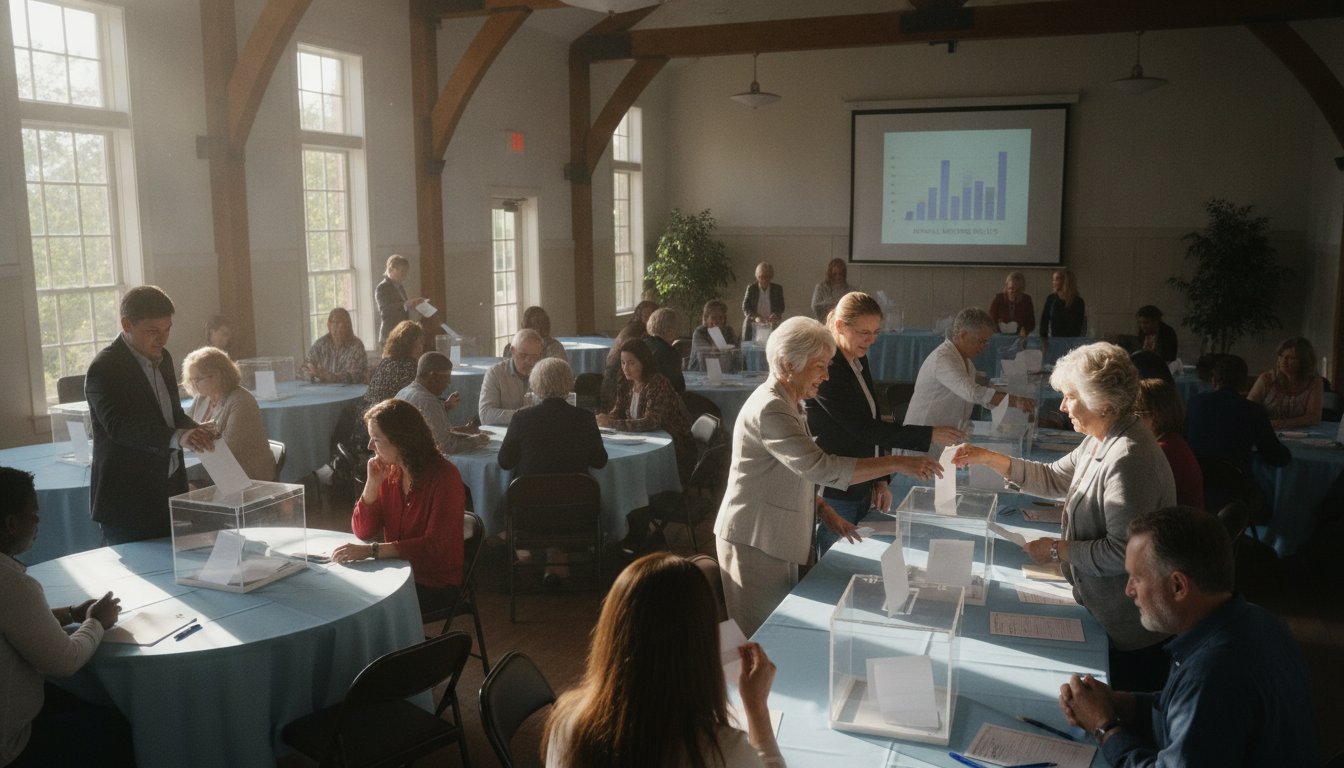
Board meetings form the backbone of successful HOA governance. Well-run meetings keep your community informed, decisions documented, and projects moving forward. Poorly managed meetings waste time, create confusion, and expose your association to legal risks.
This guide covers the essential elements of effective board meetings: creating productive agendas, recording accurate minutes, and following up on decisions.
Creating Your Meeting Agenda
A solid agenda sets the tone for your entire meeting. Start preparing your agenda at least one week before the meeting date.
Essential Agenda Components
- Call to order and roll call: Record who attends and establish quorum
- Approval of previous minutes: Review and approve the last meeting's record
- Officer reports: President, treasurer, and secretary updates
- Committee reports: Landscaping, architectural, social committees
- Old business: Previously discussed items requiring follow-up
- New business: Fresh topics for board consideration
- Executive session: Private matters like legal issues or personnel
- Adjournment: Formal meeting close
Time Management Tips
Assign time limits to each agenda item. Most HOA board meetings should run 60 to 90 minutes maximum. Place routine items like report approvals early in the meeting when energy is high.
List controversial or complex topics in order of importance. If discussions run long, you can table less critical items for the next meeting.
Include supporting documents with your agenda distribution. Board members who receive financial reports, architectural requests, or contract proposals beforehand make better decisions and ask better questions.
Distribution Requirements
Most state laws require agenda distribution 48 to 72 hours before the meeting. Check your governing documents and state statutes for specific requirements in your jurisdiction.
Send agendas via email to board members and post them in common areas or your community website. Include the meeting date, time, and location clearly at the top.
Recording Accurate Minutes
Meeting minutes serve as your association's official record. They protect the board legally and help absent members stay informed about decisions.
What to Include in Minutes
Record these essential elements in every set of minutes:
- Meeting basics: Date, time, location, type of meeting
- Attendance: Names of board members present and absent
- Quorum status: Whether you had enough members to conduct business
- Motions and votes: Exact wording of motions and vote tallies
- Key discussions: Major points raised without excessive detail
- Action items: Who will do what by when
- Adjournment time: When the meeting officially ended
What to Avoid in Minutes
Skip personal opinions, lengthy debate summaries, and inflammatory comments. Minutes should read like factual reports, not dramatic narratives.
Avoid recording specific homeowner names in open session minutes unless they hold an official position. Write "a homeowner asked about pool hours" rather than "John Smith complained about pool hours."
Do not include executive session discussions in your regular minutes. Keep those records separate and clearly marked as confidential.
Writing Style Guidelines
Use past tense throughout your minutes. Write in third person: "The board approved the landscaping contract" rather than "We approved the landscaping contract."
Keep paragraphs short and use bullet points for clarity. Number your pages and include headers with the meeting date on each page.
Record exact dollar amounts, dates, and vote counts. Write "The board approved a $15,000 roof repair by a 4-1 vote" rather than "The board approved an expensive roof repair by majority vote."
Approval and Storage Process
Draft your minutes within one week of the meeting while details remain fresh. Send drafts to all board members for review before the next meeting.
Present minutes for formal approval at your next board meeting. Once approved, have the secretary sign and date the final version.
Store approved minutes in both physical and digital formats. Create backup copies and ensure your management company receives copies for the official file.
Effective Follow-Up Procedures
Great meetings mean nothing without proper follow-up. Track action items and hold people accountable for commitments made during meetings.
Action Item Tracking
Create a simple spreadsheet or use project management software to track commitments. Include these columns:
- Task description
- Assigned person
- Due date
- Status (not started, in progress, completed)
- Notes or updates
Review your action item list at the start of each board meeting. This keeps projects moving and shows homeowners that the board follows through on decisions.
Communication Best Practices
Send meeting summaries to homeowners within one week of each board meeting. Include major decisions, upcoming projects, and items affecting the community.
Post approved minutes on your community website or in common areas. Transparency builds trust and reduces rumors about board activities.
Follow up individually with board members who miss meetings. Share key decisions and action items so everyone stays informed.
Legal Compliance Considerations
Your state's open meeting laws dictate many aspects of board meeting procedures. Common requirements include:
- Minimum notice periods for meeting announcements
- Homeowner rights to attend open sessions
- Record retention requirements for minutes and documents
- Executive session limitations and procedures
Consult your association attorney about specific requirements in your state. Violations of open meeting laws can result in fines and legal challenges to board decisions.
Technology Tools for Better Meetings
Consider these tools to improve your meeting management:
Video conferencing platforms like Zoom or Teams allow remote participation and can be recorded for reference.
Digital minute-taking apps help secretaries capture decisions quickly and format minutes consistently.
Shared document platforms like Google Drive or Dropbox make agenda and document distribution easier.
Board portals provide secure spaces for storing meeting materials and communicating between meetings.
Common Meeting Challenges and Solutions
Board meetings face predictable challenges. Here are proven solutions:
Dominating board members: Use structured discussion rules and time limits for individual comments.
Angry homeowners: Set clear rules for public comment periods and stick to them consistently.
Lengthy discussions: Use the "parking lot" method to capture off-topic items for future meetings.
Poor attendance: Schedule meetings at consistent times and provide multiple participation options.
Measuring Meeting Effectiveness
Evaluate your meetings regularly using these criteria:
- Do meetings start and end on time?
- Are decisions made and recorded clearly?
- Do action items get completed by deadlines?
- Are homeowners satisfied with communication and transparency?
- Does the board feel meetings are productive?
Survey board members quarterly about meeting effectiveness. Ask specific questions about agenda quality, time management, and follow-up procedures.
Building Better Board Governance
Effective meetings create momentum for everything else your board wants to accomplish. They build trust with homeowners, keep projects on track, and ensure legal compliance.
Start with one area for improvement. Maybe your agendas need more structure, or your follow-up process needs work. Make changes gradually and measure results.
Remember that good meeting practices take time to develop. Be patient as your board learns new procedures and builds better habits.
ReservePath helps associations manage reserve studies, track components, and plan funding with organized data and clear reporting tools.
This article is for general informational purposes only and is not legal advice. Consult your association's legal counsel on all matters.