California SB 326 and SB 4: Balcony Inspection Requirements for HOAs
California's Balcony Inspection Laws: What HOAs Must Know
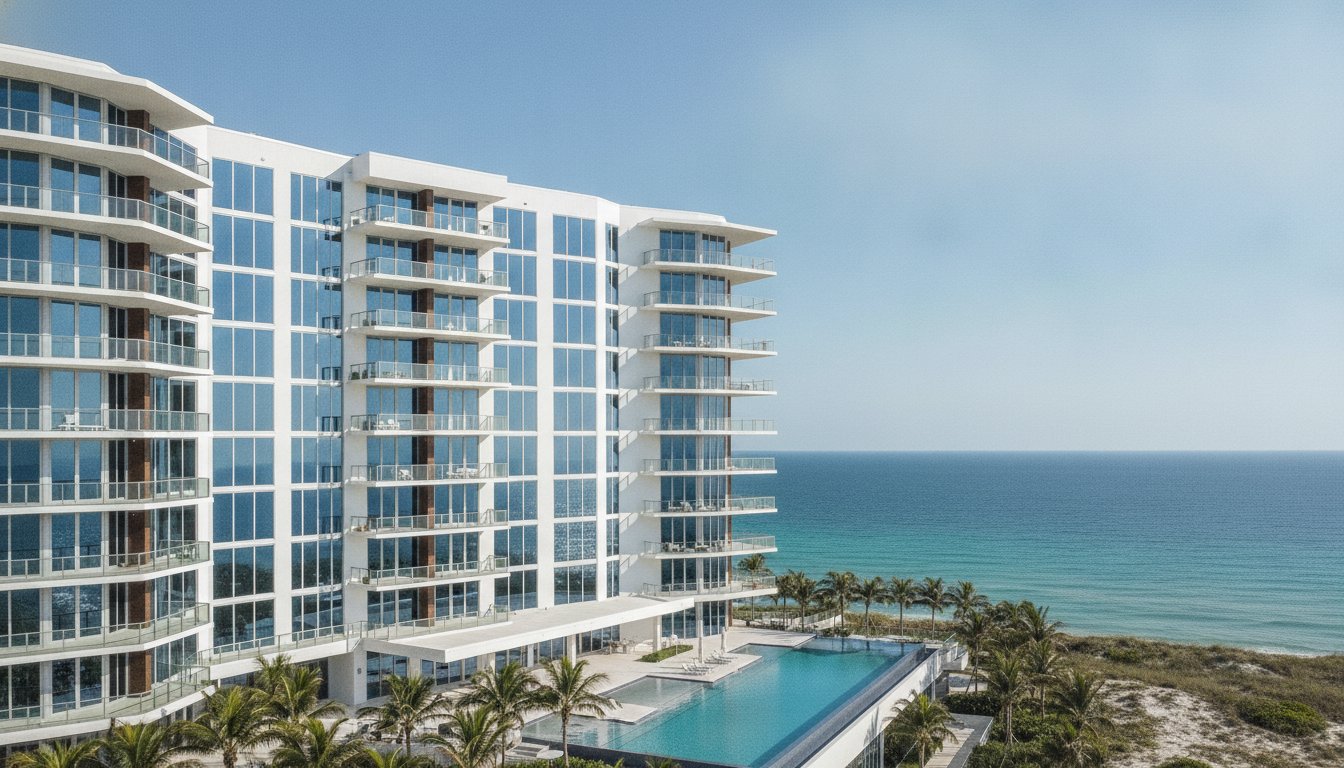
California Senate Bills 326 and 4 have transformed how homeowner associations handle balcony and exterior elevated element inspections. These laws emerged from tragic incidents, including the 2015 Berkeley balcony collapse that killed six people. Understanding these requirements is critical for California HOA boards and property managers.
Senate Bill 326: The Foundation for Balcony Safety
SB 326, effective January 1, 2020, applies to condominium associations with three or more multifamily residential units. The law requires professional inspections of exterior elevated elements and associated waterproofing systems every six years.
What Counts as an Exterior Elevated Element
The law defines exterior elevated elements as any component extending beyond exterior walls of a building and designed for human occupancy or use. This includes:
- Balconies
- Decks
- Porches
- Walkways
- Stairways more than six feet above ground level
- Railings and guards
Associated waterproofing elements that protect the structural integrity of these components also fall under inspection requirements.
Inspection Timeline and Requirements
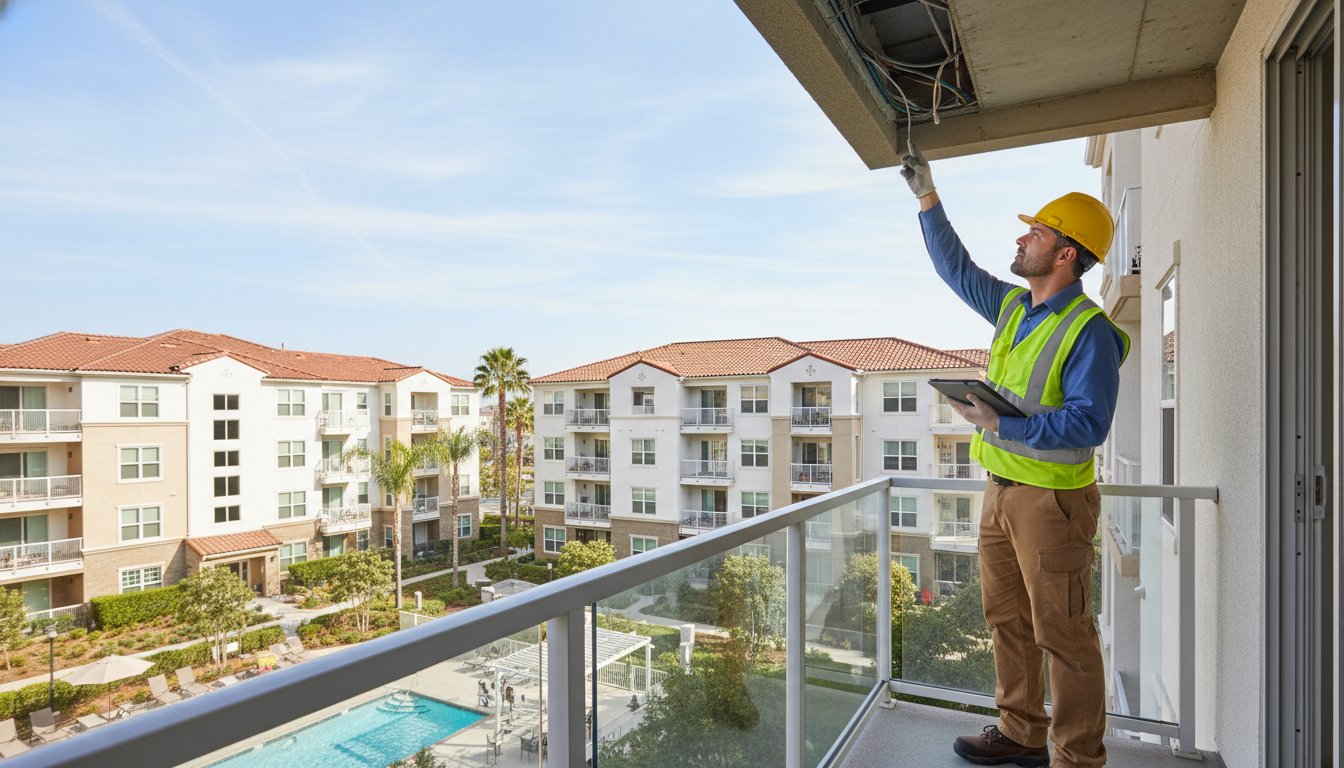
Associations must complete their first inspection by January 1, 2025. Subsequent inspections occur every six years. Only licensed structural engineers or architects can perform these inspections, and they must submit reports within 60 days of completion.
Inspectors must provide written reports that identify any conditions posing immediate threats to safety. These reports classify conditions as either immediately hazardous or requiring further evaluation.
Senate Bill 4: Expanding Requirements Beyond Condos
SB 4, which became effective January 1, 2024, extends similar inspection requirements to common interest developments, including planned unit developments and stock cooperatives. This law covers HOAs that were previously exempt under SB 326.
SB 4 uses identical inspection standards and timelines as SB 326. The main difference lies in which types of associations must comply. Together, these laws cover virtually all California community associations with exterior elevated elements.
Emergency Repairs and Immediate Hazards
Both laws require immediate action when inspections reveal safety hazards. If an inspector identifies an immediately hazardous condition, the association must:
- Prevent human occupancy or use of the affected area
- Notify residents within 15 days
- Begin emergency repairs promptly
Associations face potential liability if they fail to address immediate hazards. The laws create a clear duty of care that boards must fulfill to protect residents and visitors.
Financial Impact and Reserve Planning
These inspection requirements create significant financial obligations for associations. Initial inspections typically cost $500 to $1,500 per building, depending on size and complexity. However, the real costs emerge when inspections reveal repair needs.
Balcony and deck repairs often involve extensive waterproofing work, structural reinforcement, or complete reconstruction. Individual balcony repairs can range from $5,000 to $50,000 or more. Associations with multiple buildings face potentially overwhelming repair costs.
Reserve Study Implications
SB 326 and SB 4 directly impact reserve study planning. Associations must account for:
- Regular inspection costs every six years
- Potential repair costs identified through inspections
- Emergency repair funds for immediate hazards
- Increased replacement costs due to enhanced safety standards
Reserve studies should reflect the increased frequency of inspections and potential for costly repairs. Many associations discovered their existing reserves were inadequate after initial inspections revealed extensive problems.
Professional Requirements and Qualifications
The laws specify strict professional requirements for inspectors. Only licensed structural engineers or architects can perform these inspections. General contractors, building inspectors, or property managers cannot conduct the required evaluations.
Qualified professionals must have experience with exterior elevated elements and waterproofing systems. Associations should verify inspector credentials and relevant experience before hiring.
Documentation and Record Keeping
Associations must maintain detailed records of all inspections and related actions. Required documentation includes:
- Complete inspection reports from licensed professionals
- Records of any emergency repairs or safety measures
- Resident notifications about hazardous conditions
- Documentation of ongoing monitoring for non-immediate issues
These records become part of the association's permanent files and may be requested during property sales or insurance claims.
Common Compliance Challenges
Many associations struggle with specific aspects of compliance. Common challenges include:
Budget constraints: Associations without adequate reserves face difficult decisions about special assessments or loan financing for required repairs.
Inspector availability: High demand for qualified inspectors has created scheduling delays and increased costs in some markets.
Repair complexity: Balcony and deck repairs often require extensive permits, engineering plans, and specialized contractors.
Resident disruption: Inspection and repair work can significantly impact residents' use of their units and common areas.
Best Practices for Compliance
Successful associations take proactive approaches to meet these requirements:
Schedule inspections well in advance of deadlines. Start planning 12 to 18 months before your required inspection date.
Budget for both inspections and potential repairs. Reserve studies should include realistic estimates for both regular inspection costs and likely repair needs.
Communicate clearly with residents about inspection schedules, potential disruptions, and any safety concerns.
Develop relationships with qualified professionals before you need them. Having established contacts with structural engineers and specialized contractors speeds response times when issues arise.
Moving Forward with Confidence
California's balcony inspection laws represent a permanent shift in association management responsibilities. Boards must treat these requirements as ongoing obligations, not one-time compliance tasks.
Success requires integrating inspection schedules into long-term planning, maintaining adequate reserves for both inspections and repairs, and working with qualified professionals who understand the law's requirements.
ReservePath helps associations track their exterior elevated elements, plan for inspection cycles, and manage the financial aspects of compliance with California's balcony safety laws.