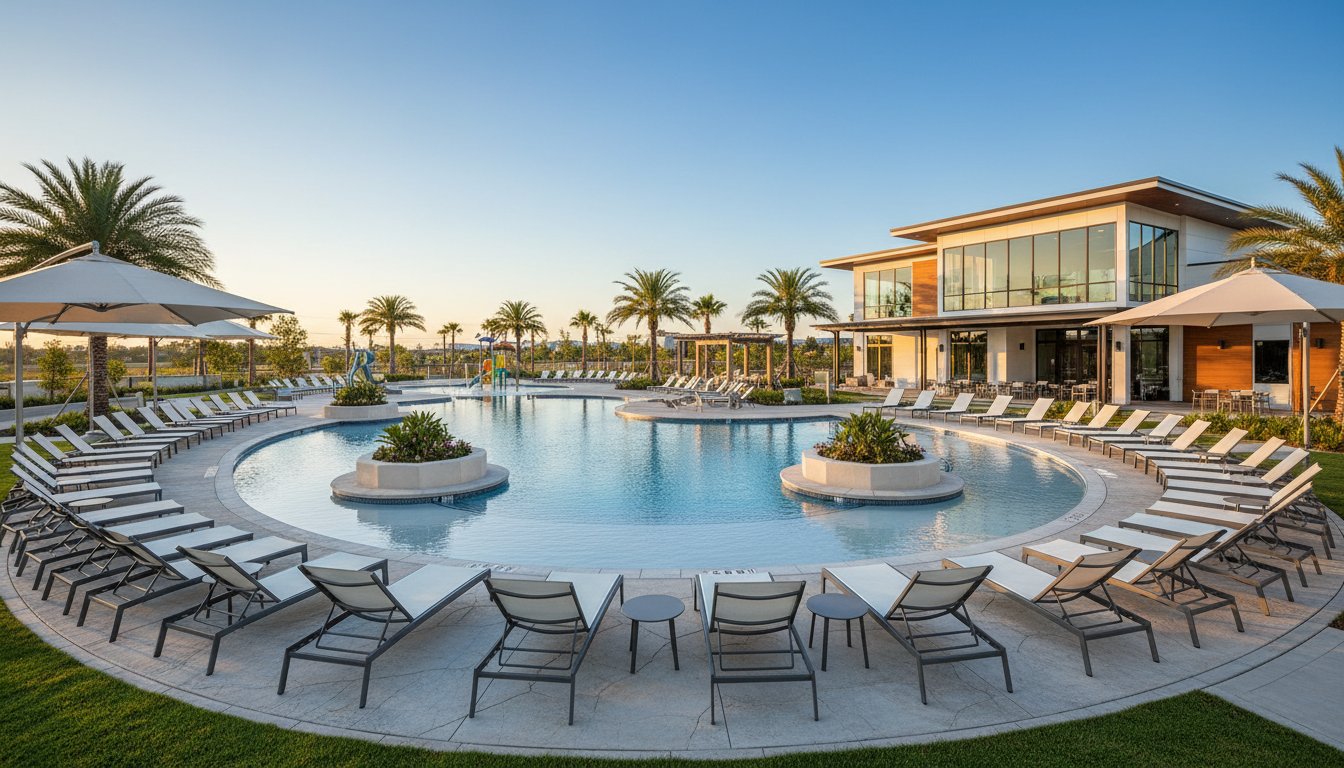
Amenity Management: Making Pools, Gyms, and Clubhouses Work for Everyone
Community amenities are often the crown jewels of residential associations. They attract buyers, enhance property values, and create gathering spaces that build neighborhood connections. Yet managing these spaces effectively requires careful planning, clear policies, and ongoing maintenance strategies that many boards struggle to implement.
The Hidden Costs of Amenity Ownership
Before diving into management strategies, boards must understand the true cost of amenity ownership. A community pool doesn't just require daily chemical treatments and seasonal opening procedures. The filtration system needs regular servicing, the deck requires resurfacing every 8-12 years, and the pool shell itself may need replastering every 15-20 years.
Fitness centers present their own challenges. Equipment warranties typically last 3-5 years, but replacement costs can reach $50,000 or more for a well-equipped gym. Flooring, mirrors, and HVAC systems all require scheduled maintenance and eventual replacement.
Clubhouses face the heaviest use and often the most deferred maintenance. Commercial-grade flooring, kitchen appliances, and furniture endure constant wear. Many associations underestimate these replacement costs in their reserve studies, leading to special assessments when major repairs become unavoidable.
Creating Fair and Enforceable Usage Policies
The most successful amenity policies balance accessibility with practical limitations. Start with capacity restrictions based on actual space and safety requirements. A 2,000 square foot fitness center can safely accommodate 15-20 people during peak hours. Document this number and post it clearly.
Guest policies require particular attention. Many associations allow two guests per household, but this can quickly overwhelm smaller amenities. Consider implementing guest passes or requiring advance registration for large gatherings. Some communities charge nominal guest fees during peak summer months to manage pool overcrowding.
Hours of operation should reflect both community needs and noise ordinances. Pools typically close at sunset or 10 PM, whichever comes first. Fitness centers often operate from 5 AM to 10 PM, but sound transmission to nearby units may require earlier closing times.
Reservation Systems That Actually Work
Clubhouse reservations generate frequent disputes without clear procedures. Establish a first-come, first-served booking system with reasonable advance notice requirements. Most associations allow reservations 30-60 days ahead, preventing any single household from monopolizing prime dates.
Set minimum and maximum reservation periods. Two-hour minimums prevent nuisance bookings, while 6-8 hour maximums ensure fair access. Require deposits for private events, typically $100-200, refundable upon proper cleanup and damage-free return of the space.
Consider blackout dates for major holidays when community-wide events take precedence over private reservations. Memorial Day weekend, Fourth of July, and Labor Day are common blackout periods.
Maintenance Strategies That Extend Asset Life
Preventive maintenance programs protect amenity investments far better than reactive repairs. Pool equipment requires weekly chemical testing, monthly filter cleaning, and annual equipment inspections. Document all maintenance activities to identify patterns and predict replacement needs.
Fitness equipment demands daily cleaning and weekly safety checks. Create simple checklists that cleaning staff or volunteers can complete. Monthly professional inspections catch mechanical issues before they become safety hazards or require expensive emergency repairs.
Clubhouse maintenance varies by usage level. High-traffic areas need daily cleaning, while monthly deep cleaning protects flooring and furniture. Annual inspections of plumbing, electrical systems, and HVAC equipment prevent small problems from becoming major disruptions.
Managing Peak Demand and User Conflicts
Summer months stress pool facilities beyond their design capacity. Consider implementing time limits during peak hours: 2-3 hours maximum when wait lists develop. Some communities use wristbands or pool passes to track usage and enforce limits fairly.
Fitness center conflicts often center on equipment hogging or loud music. Post clear etiquette guidelines and enforce 30-minute limits on cardio equipment during busy periods. Provide sanitizing supplies and require users to clean equipment after each use.
Noise complaints from amenity areas require swift response. Install sound-dampening materials where feasible and enforce quiet hours strictly. Many associations hire security patrols during summer evenings to prevent pool parties from disturbing nearby residents.
Technology Solutions for Modern Management
Digital reservation systems eliminate phone tag and reduce office workload. Platforms like MyEZFacility or Doodle allow residents to book amenities online, view availability, and receive automated confirmations.
Access control systems using key fobs or smartphone apps provide detailed usage data while preventing unauthorized access. This information helps boards make informed decisions about capacity limits and renovation priorities.
Security cameras in common areas deter vandalism and provide evidence when conflicts arise. Focus on entrance areas and parking rather than pool decks or fitness floors where privacy expectations are higher.
Budgeting for Long-term Success
Annual amenity operating costs typically range from $15,000-40,000 per facility, depending on size and usage intensity. Budget separately for utilities, professional services, supplies, and equipment replacement reserves.
Major renovations follow predictable cycles. Pool resurfacing costs $10,000-25,000 every 12-15 years. Fitness equipment replacement averages $8,000-15,000 every 5-7 years. Clubhouse renovations range from $20,000-75,000 every 10-15 years.
Some associations fund amenity improvements through special assessments, but reserve fund contributions provide better financial stability. Include amenity components in your reserve study with realistic replacement timelines and current cost estimates.
Building Community Through Amenity Programs
Well-managed amenities become community gathering spaces that strengthen neighborhood bonds. Organize seasonal events around your facilities: pool parties, fitness challenges, or clubhouse game nights.
Partner with local instructors to offer group fitness classes or swimming lessons. These programs generate modest revenue while encouraging amenity usage and resident interaction.
Create amenity advisory committees with interested residents. These volunteers help develop policies, plan events, and serve as liaisons between users and the board. Their involvement often reduces complaints and improves compliance with usage rules.
Successful amenity management requires balancing competing interests while protecting significant community investments. Clear policies, consistent enforcement, and proactive maintenance create positive experiences that enhance both property values and quality of life. ReservePath helps associations track amenity components and plan replacement funding, ensuring these valuable assets receive the financial attention they deserve.